Table of Contents
Hey there, busy bee! Do you ever find yourself staring into the fridge at 5 PM, completely stumped on what to make for dinner? Or perhaps you’ve fallen into the takeout trap more times than you’d care to admit? You’re definitely not alone! Life gets hectic, and sometimes the last thing we want to think about is what to cook. But what if I told you there’s a simple, super effective way to banish dinner dilemmas, save money, and eat healthier all at once? The answer, my friend, is amazing Meal Plans.
I used to struggle with this too. My evenings were a scramble, my grocery bills were sky-high, and I often felt guilty about not providing the most nutritious meals for my crew. Then I discovered the power of a well-thought-out weekly meal plan, and it was a game-changer. Suddenly, grocery shopping became a breeze, cooking was no longer a chore, and our family meals felt more intentional and delicious. This isn’t about rigid diets or boring food; it’s about making your life easier and your culinary adventures more enjoyable.
What Are Meal Plans and Why Are They a Game-Changer?
At its core, a meal plan is simply a strategy for what you’re going to eat for a set period, usually a week. It involves choosing recipes, creating a grocery list based on those recipes, and often doing some light prep work in advance. Think of it as your kitchen roadmap, guiding you from grocery store to dinner table with minimal fuss.
People absolutely adore meal plans because they bring a sense of order and peace to the often chaotic world of food preparation. No more “what’s for dinner?” panic attacks! They empower you to take control of your diet, save precious time during the week, and significantly reduce food waste. Plus, when you’re intentional about your food choices, it’s so much easier to hit those health goals, whether you’re aiming for healthy meal planning or even specific weight loss meals.
Nutritional Benefits & Why Meal Planning is a Better Choice
Beyond the sheer convenience, taking the time to create thoughtful meal plans offers a bounty of nutritional benefits. When you plan ahead, you’re less likely to grab unhealthy convenience foods or order takeout, which are often high in unhealthy fats, sodium, and calories. Instead, you can focus on incorporating whole, unprocessed ingredients into your diet.
Meal planning allows you to ensure a balanced intake of macronutrients (proteins, carbs, fats) and micronutrients (vitamins, minerals) throughout your week. It’s a fantastic way to promote clean eating habits, ensuring your body gets the fuel it needs to thrive. For families, especially those with picky eaters, proactive planning helps you introduce a variety of vegetables and wholesome foods, making family meals more nutritious and less stressful. It’s truly an investment in your health and well-being!
| Category | Benefit of Meal Planning | Impact on Health |
|---|---|---|
| Calories | Better portion control and awareness | Supports weight management goals (loss or gain) |
| Carbohydrates | Allows for selection of complex carbs over refined | Sustained energy levels, better blood sugar control |
| Proteins | Ensures adequate intake for muscle repair and satiety | Muscle maintenance, feeling fuller for longer |
| Fats | Focus on healthy fats (mono/poly-unsaturated) | Heart health, nutrient absorption |
| Fiber | Increased intake through fruits, veggies, whole grains | Digestive health, cholesterol reduction |
| Vitamins & Minerals | Variety of foods ensures broad spectrum intake | Strong immunity, overall bodily function |
Getting Started with Meal Plans: Your Journey to Culinary Zen
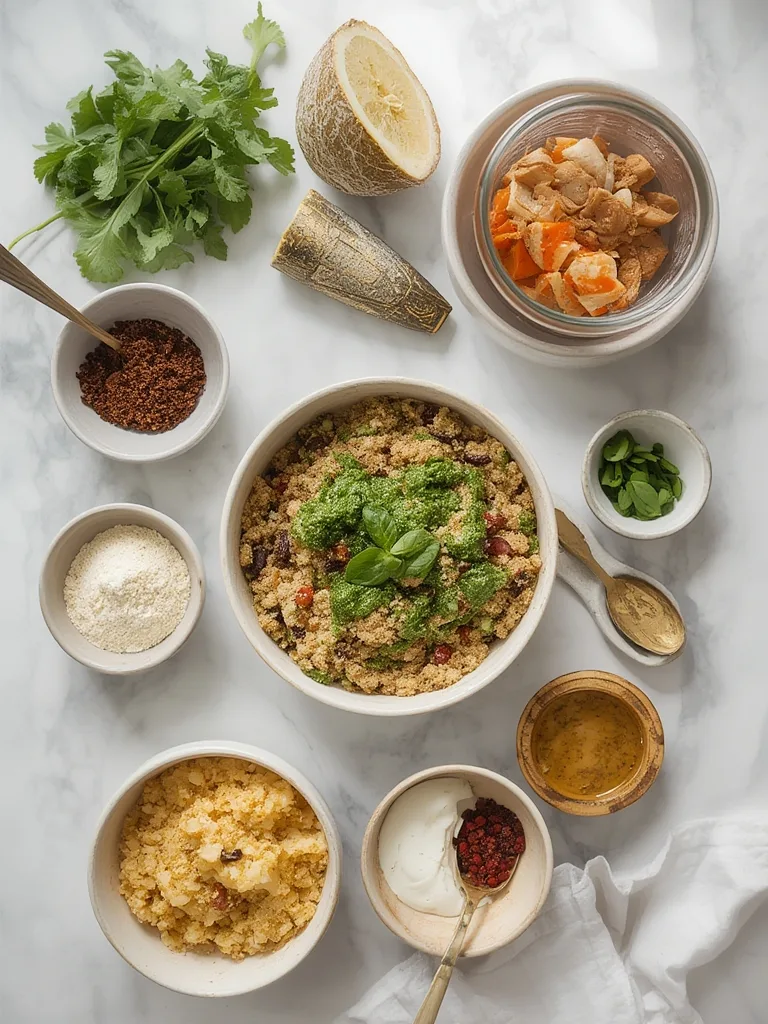
Ready to dive into the world of stress-free eating? Excellent! Let’s break down how to create your very own effective meal plans, starting with the basics.
Main Steps for Creating Effective Meal Plans
Here’s a simple framework to build your ideal meal plan:
Assess Your Needs & Preferences:
What are your dietary goals (e.g., high protein meals, clean eating plan, budget meal plan)? What cuisines do you enjoy? Are there any allergies or strong dislikes?
Gather Recipes:
Look for simple recipes that appeal to you and your family. Online blogs, cookbooks, and even Pinterest are fantastic resources. Don’t forget to consider seasonal meal planning for fresh, flavorful ingredients.
Choose Your Meals:
Select 5-7 dinners for the week, plus ideas for breakfasts and lunches if you want to plan those too. Think about variety but also about using similar ingredients to save money and reduce waste.
Create Your Grocery List:
Go through each recipe and list every ingredient you need, checking what you already have on hand. This is crucial for avoiding impulse buys and sticking to your budget.
Prep Ahead (Optional but Recommended):
Dedicate an hour or two to chopping veggies, cooking grains, or prepping sauces. This makes weeknight cooking so much faster!
Tools & Resources for Easy Meal Planning
You don’t need fancy gadgets to start, but these can certainly make easy meal planning even easier:
- Notebook & Pen: Old school, effective, and completely flexible.
- Printable Meal Planning Templates: Many websites offer free printable planner options that are great for visual organization.
- Meal Planning Apps: Apps like Paprika, Mealime, or PlateJoy can help you store recipes, generate grocery lists, and even suggest meals.
- Your Kitchen Calendar: Jot down your planned meals directly onto your calendar so everyone knows what’s coming!
Themes & Approaches to Meal Planning
There are many ways to approach meal planning, and the best method is the one that works for you. Here are a few popular themes:
Budget-Friendly Meal Plans: Eating Well for Less
If saving money is a top priority, budget meal plan strategies are your best friend. This often involves focusing on affordable staples like rice, pasta, beans, lentils, and seasonal vegetables. Look for cheap dinners that use inexpensive protein sources like chicken thighs or ground turkey. Lentil soup, bean burritos, or pasta with homemade sauce are fantastic cheap weekly meals that don’t skimp on flavor or nutrition. Think strategically about bulk buying non-perishables when they’re on sale, and repurposing leftovers.
| Strategy | Explanation | Potential Savings |
|---|---|---|
| Batch Cooking | Cooking large quantities of a few dishes once a week. | Reduces daily cooking time & impulse buys. |
| “Use What You Have” Day | Designating a day to create meals from existing leftovers/pantry items. | Minimizes food waste, saves on new groceries. |
| Seasonal Produce | Buying fruits and vegetables when they are in season. | Significantly cheaper, often fresher and tastier. |
| Frugal Protein Choices | Opting for legumes, eggs, chicken thighs, ground meat over prime cuts. | Major savings on the most expensive grocery items. |
| DIY Snacks | Making your own snacks instead of buying pre-packaged ones. | Reduces expense of convenience foods. |
Healthy Meal Planning: Fueling Your Body Right
For those focused on wellness, healthy meal planning is key. This often means prioritizing lean proteins, plenty of vegetables, whole grains, and healthy fats. Whether you’re interested in weight loss meals, maintaining a clean eating plan, or exploring specific dietary approaches like Mediterranean recipes, planning ensures you meet your goals. Incorporate healthy snacks into your routine to avoid unhealthy temptations. Think grilled salmon with roasted veggies, quinoa bowls with protein, or vibrant salads.
Family Meal Plans: Keeping Everyone Happy
Feeding a family can be a balancing act, but a smart family meal plan makes it easier. The goal is to find kid friendly dinners that adults will love too. One-pan meals, sheet pan dinners, or slow cooker marvels are often winners. Involve your kids in the planning process – let them pick a meal or two from a curated list. This increases their buy-in and reduces complaints! Don’t be afraid to try theme nights, like “Taco Tuesday” or “Pizza Friday,” to add a fun element to your weekly family meals.
Seasonal Meal Planning: Embracing Nature’s Bounty
Eating seasonally isn’t just delicious; it’s often more affordable and sustainable. For example, a winter meal plan might focus on hearty stews, root vegetables, and cozy recipes like a rich soup. A fall meal planning strategy could involve pumpkin, squash, and apple dishes. In spring and summer, you’d lean into lighter, fresher produce. This approach encourages variety and helps you discover new flavors throughout the year.
Specialized Meal Plan Approaches & Quick Tips
Crockpot & Slow Cooker Meal Plans: Dump and Go Deliciousness
Short on time? A crockpot meal plan or slow cooker plan is your secret weapon. These “dump and go” meals are perfect for busy weekdays. Just toss ingredients in the morning, and come home to a delicious, ready-to-eat dinner. Think pulled pork, chili, shredded chicken for tacos, or beef stews. It’s the ultimate form of hands-off cooking!
10-Minute Meals & Fast Meal Planning: When Time is of the Essence
Sometimes you need dinner on the table FAST. For those moments, 10-minute meals are a lifesaver. Keep ingredients on hand for quick stir-fries, omelets, pasta with pre-made pesto, or loaded baked potatoes. Fast meal planning often involves smart pantry stocking and quick-cooking proteins like shrimp or pre-cooked chicken.
Air Fryer Meal Plans: Crispy Goodness, Less Oil
The air fryer has become a kitchen superstar, and for good reason! An air fryer plan focuses on quick, crispy meals with minimal oil. Think air-fried chicken tenders, salmon fillets, roasted vegetables, or even crispy potatoes. It’s a fantastic way to make healthier versions of your favorite fried foods. You can find tons of air fryer recipes online.
Beginner Meal Planning: Taking the First Step
If you’re new to the game, start small! Don’t try to plan every single meal for an entire month. Begin with just dinners for 3-4 days a week. Focus on meal planning basics: choosing recipes, making a list, and doing a tiny bit of prep. Consistency is more important than perfection when you’re just starting out.
Monthly Meal Plans: Long-Term Kitchen Organization
For the truly organized, a monthly meal plan can be incredibly rewarding. This involves planning out meals for a whole month, often using a meal planning template. While it requires a bit more upfront effort, it can lead to even greater savings and efficiency, especially if you rotate through tried-and-true favorites.
Troubleshooting & Pro Tips for Meal Planning Success
Even the best plans can hit a snag. Here are some tips to keep your meal planning on track:
Common Issues & Their Solutions
| Issue | Solution |
|---|---|
| Lack of Motivation | Start small (1-2 planned meals). Choose favorite recipes. Involve family in choosing. |
| Too Much Food Waste | Plan meals that use similar ingredients. Repurpose leftovers creatively. Freeze excess portions. |
| Recipes Too Complicated | Focus on simple recipes with fewer ingredients and steps. Explore sheet pan dinners or one pan meals. |
| Boredom with Meals | Incorporate themed nights. Try one new recipe each week. Explore different cuisines. |
| Forgetting Ingredients | Triple-check your grocery list against recipes. Organize your list by grocery store sections. |
Serving Suggestions & How to Maximize Your Meal Plans
- Double Up: Always make extra! Leftovers are gold for quick lunches or another dinner later in the week.
- Repurpose Creatively: Cooked chicken from one meal can become tacos or a salad topping for another. Roasted vegetables can be tossed into pasta or an omelet. This is a hallmark of frugal meal planning.
- Balance Flavors: When planning your week, try to vary flavors and textures so you don’t get bored.
- Don’t Be Afraid to Adjust: Life happens! If a planned meal doesn’t work out, swap it with an easier option or a simple backup. The goal is flexibility, not rigidity.
Flavor Variations & Add-Ins for Exciting Meals
Don’t let your meal plans get stuck in a rut! Here are ways to add exciting flavors and variety:
Herbs & Spices: The Spice of Life!
- Fresh Herbs: Basil, cilantro, parsley, dill, chives – these can elevate any dish.
- Dried Spices: Cumin, smoked paprika, chili powder, curry powder, oregano – perfect for global flavors.
- Spice Blends: Italian seasoning, herbes de Provence, homemade taco seasoning – a quick way to add complexity.
Sauces & Dressings: A Drizzle of Deliciousness
- Homemade Vinaigrettes: Easy to whip up, healthier than store-bought.
- Pesto: Basil, spinach, or even sun-dried tomato pesto can add a burst of flavor.
- Yogurt-Based Sauces: A healthy, creamy addition to many meals.
- Hot Sauce & Sriracha: For those who like a kick!
Toppings & Garnishes: The Finishing Touch
- Toasted Nuts & Seeds: Add crunch and healthy fats (e.g., pumpkin seeds, almonds).
- Fresh Avocado: Creamy texture and healthy fats to almost any savory dish.
- Crumbled Feta or Goat Cheese: A tangy, salty addition.
- Crispy Onions or Croutons: For an extra layer of texture.
Storage & Make-Ahead Tips for Your Meal Plans
Effective storage is key to extending the life of your prepped meals and preventing waste.
- Airtight Containers: Invest in good quality, BPA-free airtight containers. Glass containers are excellent for reheating.
- Separate Components: For meals like grain bowls, pack dressings, sauces, and crunchy toppings separately to prevent sogginess.
- Refrigeration: Most cooked meals will last 3-4 days in the refrigerator. Always cool food completely before refrigerating.
- Freezing: Many meals (soups, stews, casseroles, cooked grains, prepped protein) can be frozen for up to 3 months. Label and date everything! This is super helpful for a monthly meal plan.
- Reheating: Reheat until steaming hot. Microwaving, oven, or stovetop are all viable options depending on the dish.
More Ideas to Elevate Your Meal Plans

Looking for even more ways to expand your culinary horizons and keep your meal plans exciting?
- Explore different cultural cuisines. Try a new Mediterranean recipe or an exciting Thai-inspired dish to shake things up.
- Incorporate high protein meals for strength and satiety, especially if you’re active or focused on a healthy high-calorie approach.
- Don’t forget about breakfast! Planning cheap breakfast options like overnight oats or egg muffins can save money and time in the mornings.
- Experiment with new cooking methods. Beyond the air fryer or slow cooker, try batch cooking using sheet pan dinners or even pressure cooking for speedy results.
- Think about snack planning. Having healthy snacks prepped (like cut veggies, fruit, or homemade protein balls) prevents unneccesary cravings.
Conclusion
So there you have it! Mastering the art of easy meal planning isn’t just about food; it’s about reclaiming your time, saving money, reducing stress, and making healthier choices for yourself and your loved ones. Whether you’re aiming for cheap dinners, nutritious family meals, or simply want to avoid the daily “what’s for dinner?” dilemma, a well-structured plan is your ultimate tool. Give it a try, start small, and watch how smoothly your week flows with delicious, home-cooked food. Happy planning and happy eating!
Follow me on Pinterest for more Meal Plans
FAQ about Meal Plans
What is the easiest way to start with meal plans if I’m a beginner?
The easiest way to start with meal plans as a beginner is to pick just 2-3 dinners for your first week. Focus on simple recipes you already know and love, or try a 10-minute meal. Don’t try to plan every single meal at once; gradually increase the number of meals you plan as you get more comfortable. This approach is perfect for meal planning basics.
How can I make my weekly meal plan budget-friendly?
To make your weekly meal plan budget-friendly, prioritize affordable ingredients like legumes, seasonal vegetables, and less expensive cuts of meat. Look for cheap dinners and recipes that can be stretched with additions like rice or pasta. Incorporate frugal meal planning techniques like using leftovers and making big batches of soup or stew. Always check sales circulars before you plan, aiming for $5 dinners or less.
Are meal plans helpful for weight loss?
Absolutely! Meal plans are incredibly helpful for weight loss meals because they allow for portion control and mindful food choices. By planning ahead, you can ensure you’re eating balanced meals, focusing on lean proteins, fiber-rich vegetables, and whole grains, which are key components of a clean eating plan. This proactive approach helps avoid impulsive, unhealthy food choices.
How do I keep my family meals interesting with meal plans?
To keep family meals interesting with meal plans, incorporate variety. Try theme nights (e.g., “Taco Tuesday”), rotate through different cuisines, and involve your family, especially kids, in choosing a meal or two. Explore different cooking methods like sheet pan dinners or crockpot meal plan recipes for excitement. Don’t forget to include kid friendly dinners that still offer good nutrition.
Can I include healthy snacks in my meal plans?
Yes, you absolutely should include healthy snacks in your meal plans! Snack planning helps prevent unhealthy grazing between meals and keeps hunger at bay. Pre-portioning fruit, vegetables with hummus, hard-boiled eggs, or nuts can be a lifesaver. This fits perfectly into a broader healthy meal planning strategy.
What’s a good approach for busy weeknights within a meal plan?
For busy weeknights, your meal plans should lean heavily on quick-cooking methods and pre-prepped ingredients. Think 10-minute meals, slow cooker plan recipes, or air fryer recipes. Doing some chopping or cooking grains on the weekend can significantly speed up weeknight dinner prep. Dump and go recipes are your best friend here!
How can a monthly meal plan benefit me?
A monthly meal plan offers a higher level of organization and potential savings. It allows for bulk grocery shopping less frequently, can inspire more creative use of ingredients across weeks, and gives you a comprehensive overview of your upcoming meals. Using a printable planner can make organizing a monthly meal plan much easier and more visual.