Table of Contents
Hey there, food-loving friend! Ever feel like dinnertime rolls around, and suddenly you’re staring into the abyss of your fridge, wondering what on Earth to make? Or perhaps you’ve got a cabinet full of groceries, but nothing feels quite right for a cohesive meal? If that sounds familiar, then you’re in the right place. Today, we’re diving deep into the wonderful world of Meal Plans – your ultimate solution to kitchen chaos and a pathway to more organized, delicious, and often cheaper eating.
I get it, the idea of meal planning can sound daunting. Maybe you picture rigid schedules, endless hours in the kitchen, or boring, repetitive meals. But what if I told you it doesn’t have to be like that? What if I told you that a little bit of planning upfront could actually save you heaps of time, money, and mental energy throughout your week? Stick around, because we’re about to uncover how easy meal planning can be and why it’s a game-changer for everyone, from busy parents to budget-conscious foodies.
Forget the stress of last-minute dinner decisions or the temptation of expensive takeout. With a smart approach to Meal Plans, you can enjoy flavorful, healthy meals every night, often using simple recipes and common ingredients. Let’s get started on revamping your kitchen routine!
What Are Meal Plans and Why Are They So Popular?
At its core, a meal plan is simply deciding what you’re going to eat for a set period, typically a week. It involves choosing recipes, making a grocery list based on those recipes, and often doing some light prep work in advance. It’s like creating a roadmap for your meals, ensuring you have all the ingredients and a clear idea of what’s cooking.
Why are they so popular? Well, the benefits are huge! For starters, thinking about your meals ahead of time means fewer impromptu trips to the grocery store, which invariably leads to impulse buys and a higher bill. It’s a fantastic way to stick to a budget meal plan and enjoy cheap weekly meals without feeling deprived. Plus, having a plan reduces decision fatigue during busy evenings – no more asking “What’s for dinner?” five times before giving up and ordering pizza!
Beyond saving money and time, meal planning also opens the door to healthier eating. When you plan your meals, you’re more likely to incorporate balanced whole foods and avoid processed options. This is especially true for healthy meal planning or those with specific dietary goals, like weight loss meals or a clean eating plan. It empowers you to take control of what goes on your plate.
Nutritional Benefits & Why Meal Plans Are a Better Choice
Embracing effective meal plans isn’t just about convenience; it’s a powerful tool for boosting your overall nutrition. When you proactively decide what you’re eating, you can consciously choose ingredients that support your health goals. This often leads to incorporating more vegetables, lean proteins, and whole grains, moving away from relying on quick, unhealthy fixes.
Consider the difference between a planned home-cooked meal and a spontaneous takeout order. A well-thought-out family meal plan for instance, might include a hearty, vitamin-rich winter meal plan with cozy recipes like a lentil soup, or a Mediterranean recipes-inspired dish packed with healthy fats and fresh produce. Contrast that with the unknown nutritional content of fast food, often high in sodium, unhealthy fats, and sugars. Meal planning gives you transparency and control.
For those focusing on specific health outcomes, like weight loss meals or a clean eating plan, meal plans are indispensable. You can meticulously track macros, ensure adequate protein intake (hello, high protein meals!), and cut down on unnecessary calories. It transforms healthy eating from a vague goal into a concrete, achievable strategy.
| Nutrient | Average % Daily Value (approx.) |
|---|---|
| Calories | Dependent on meal type |
| Carbohydrates | 25-40% |
| Protein | 20-35% |
| Fats (healthy) | 20-35% |
| Fiber | 15-30% |
| Vitamins & Minerals | Varies |
Ingredients & Substitutions for Flexible Meal Plans
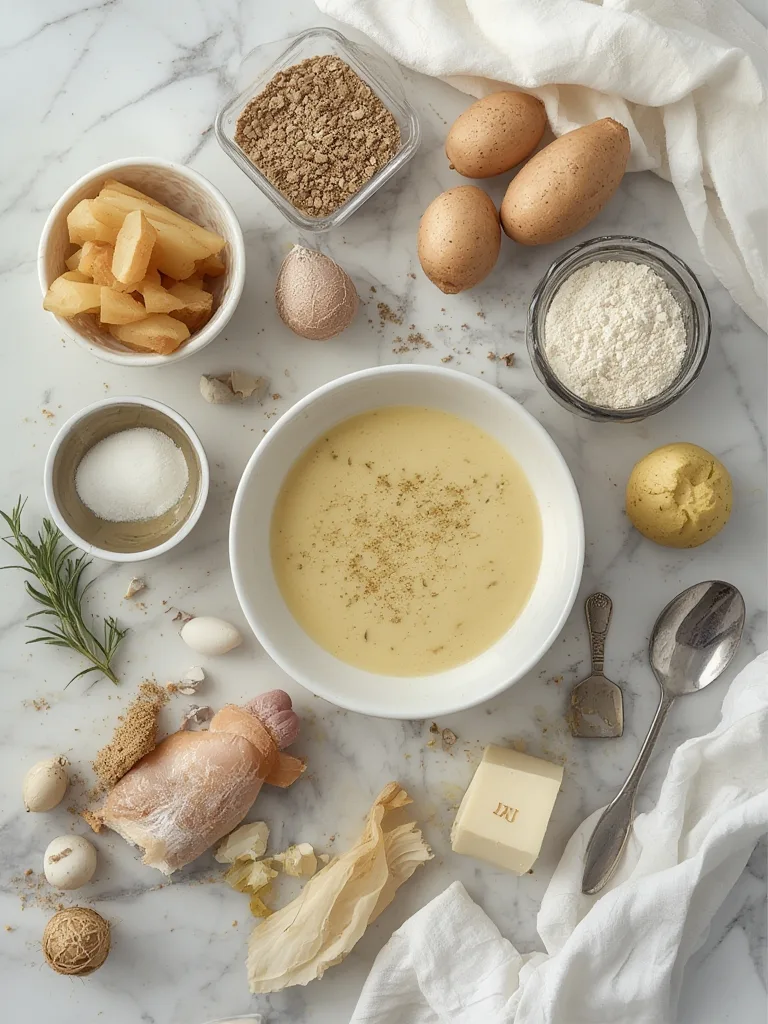
Main Ingredients for Versatile Meal Plans:
The beauty of meal planning is its adaptability. While specific recipes will dictate exact ingredients, having a well-stocked pantry with these core items makes building a weekly meal plan a breeze:
- Proteins: Chicken breasts/thighs, ground beef/turkey, eggs, canned beans (black, kidney, chickpeas), lentils, tofu.
- Grains: Rice (brown, white), pasta, quinoa, oats, whole wheat bread/tortillas.
- Vegetables (fresh & frozen): Onions, garlic, carrots, celery, potatoes, spinach, broccoli, bell peppers, mixed frozen veggies.
- Fruits: Apples, bananas, berries (fresh or frozen for smoothies/snacks).
- Dairy/Alternatives: Milk, yogurt, cheese, plant-based milk.
- Pantry Staples: Olive oil, vegetable oil, vinegars, soy sauce, spices, herbs, canned tomatoes, broths.
Substitutions & Variations to Keep Things Fresh:
Don’t be afraid to get creative and swap things around based on what you have, what’s on sale, or what your family prefers. This is key to making meal plans sustainable and enjoyable. For instance, if a recipe calls for chicken, but you have ground turkey, go for it! This flexibility is essential for a budget meal plan and ensures you don’t waste food.
| Ingredient | Role | Possible Substitutions |
|---|---|---|
| Chicken Breast | Lean Protein | Chicken Thighs, Tofu, Canned Chickpeas, Ground Turkey |
| Brown Rice | Whole Grain Base | Quinoa, Farro, Whole Wheat Pasta, Cauliflower Rice |
| Bell Pepper | Vegetable, Flavor | Zucchini, Carrots, Green Beans, Canned Corn |
| Heavy Cream | Richness, Thickener | Coconut Milk (full fat), Greek Yogurt (for tang), Cashew Cream |
| Spinach | Leafy Green, Nutrients | Kale, Swiss Chard, Frozen Mixed Greens |
Equipment Needed for Efficient Meal Plans
With Special Equipment
While not strictly necessary for all meal plans, certain appliances can vastly simplify your cooking, especially for larger batches or specific meal prep routines. A slow cooker (for a crockpot meal plan or dump and go meals) is fantastic for hands-off cooking, and an air fryer is brilliant for quick, crispy results (hello, air fryer recipes!). An Instant Pot combines many functions into one, making it a versatile tool for beginner meal planning.
Without Special Equipment
Don’t have fancy gadgets? No problem at all! The vast majority of delicious meal plans can be executed with basic kitchen tools. All you truly need are a good set of knives, cutting boards, a few pots and pans (a large pot for cozy recipes like soups, a skillet for searing), baking sheets for sheet pan dinners, and some mixing bowls. Basic utensils like spatulas, ladles, and measuring cups/spoons will cover almost every recipe in a simple recipes collection.
Step-by-Step: How to Master Your Weekly Meal Plan
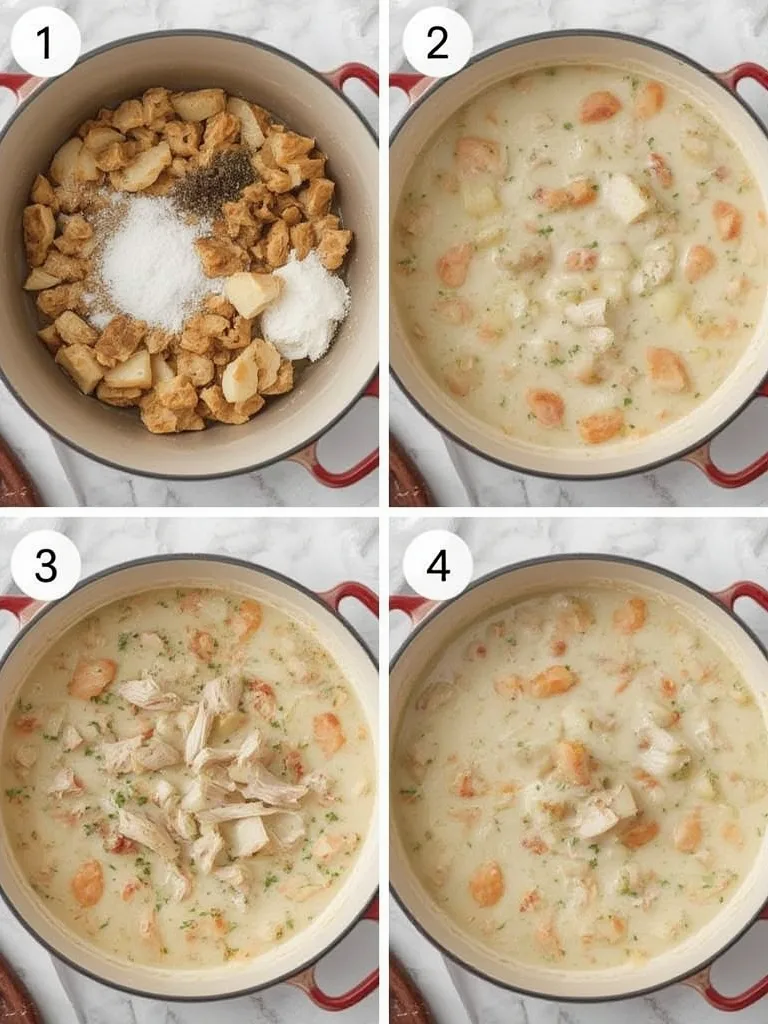
1. Assess & Brainstorm
Before you even think about recipes, take a moment to look at your schedule for the upcoming week. Any late nights? Early mornings? Special events? Are you cooking for a family meal plan with kid friendly dinners in mind, or just for yourself? Check your pantry and fridge for existing ingredients you want to use up – this is key for a frugal meal planning approach and can influence your cheap meals choices.
2. Choose Your Recipes
Now for the fun part! Based on your schedule and existing ingredients, start picking out recipes. Aim for a mix: some easy 10-minute meals or fast meal planning options for busy nights, maybe a crockpot meal for a set-it-and-forget-it day, and a larger recipe that yields leftovers for lunch or another dinner. A good balance of protein, veggies, and carbs is always a win, especially if you’re aiming for healthy meal planning. Consider themes like a winter meal plan with soup planning, or a clean eating plan for the week.
3. Create Your Grocery List
Once you have your recipes locked in, meticulously go through each one and list every ingredient you need. Cross-reference with what you already have. Organize your list by sections of the grocery store (produce, dairy, pantry) to make your shopping trip super efficient. This step is critical for staying within your budget meal plan.
4. Shop Smart
With your organized list in hand, head to the store. Stick to your list as much as possible to avoid impulse buys, which can derail even the best cheap weekly meals strategy. Look for sales on staples, and don’t forget healthy snacks for your snack planning!
5. Prep in Advance (Optional but Recommended)
This is where the magic of easy meal planning truly shines. Dedicate an hour or two on your planning day (often Sunday) to some “meal prep.” This could include:
- Washing and chopping vegetables.
- Cooking grains like quinoa or rice.
- Pre-cooking proteins like chicken breasts or ground beef.
- Making a big batch of soup (great for a cozy recipes winter meal plan) or a salad dressing.
- Portioning out healthy snacks like chopped fruit or veggies with hummus.
6. Cook & Enjoy!
Throughout the week, when it’s mealtime, you’ll be amazed at how much faster and simpler cooking becomes because of your prepared ingredients. Simply follow your recipes, assemble your pre-prepped components, and enjoy the delicious fruits of your planning! Even beginner meal planning becomes enjoyable with this system.
Troubleshooting & Pro Tips for Meal Plans
Texture Problems
Sometimes, meal-prepped food can lose its ideal texture. Soups can become too thick, and roasted vegetables can soften.
| Issue | Solution |
|---|---|
| Mushy Vegetables | Undercook slightly when prepping, or add fresh veggies just before serving. |
| Dry Protein | Cook proteins barely to temp; add a sauce or broth when reheating. |
| Soggy Salad Greens | Store dressings separately; add dressing just before eating. |
Adjusting Sweetness & Flavor
Don’t be afraid to taste and adjust! Sometimes recipes need a little tweaking. If a sauce is too sweet, add a dash of vinegar or lemon juice. If it’s bland, a pinch more salt, pepper, or herbs can work wonders. This is especially useful when adapting simple recipes to your family’s preferences.
Serving Suggestions
Even the simplest meal can feel special with thoughtful serving. Garnish soups with fresh herbs or a swirl of cream. Add a sprinkle of toasted seeds to salads. Serve your main dish with a simple side like a fresh green salad or crusty bread. For kid friendly dinners, try deconstructing meals or offering dips to encourage eating.
Flavor Variations & Add-Ins for Exciting Meal Plans
Fruit Combinations
Don’t limit fruit to just breakfast or snacks! Apples or pears can be baked into savory dishes with pork or chicken. Berries are fantastic in salad dressings or added to grain bowls. A monthly meal plan can incorporate seasonal fruits for variety.
Nut & Chocolate Additions
Nuts and seeds add fantastic crunch and healthy fats to almost any meal. Sprinkle them on salads, stir-fries, or oatmeal. A little dark chocolate, in moderation, can be a great healthy snack or a lovely dessert when combined with fruit.
Spices & Extracts
This is where you can truly transform a simple recipe. Explore different spice blends (e.g., taco seasoning, curry powder, Italian herbs) to give your regular proteins and veggies a whole new personality. Extracts like vanilla or almond can elevate baked goods or even oatmeal. Don’t underestimate the power of a well-chosen spice for making frugal meal planning feel gourmet!
Storage & Make-Ahead Tips for Your Meal Plans
Effective storage is the backbone of successful meal plans. Once your delicious meals or prepped ingredients are ready, proper storage ensures they stay fresh, safe, and appetizing throughout your week. Always allow food to cool completely before transferring to airtight containers. This prevents condensation which can lead to soggy textures and bacterial growth.
Most cooked meals, when stored correctly in sealed containers in the refrigerator, will last for 3-4 days. For items like cooked grains or chopped vegetables, aim for 4-5 days. If you’re doing a bigger batch cook for a monthly meal plan, don’t hesitate to freeze portions. Label everything with the date it was prepared! Soups, stews, casseroles, and cooked proteins freeze exceptionally well. To reheat, thaw overnight in the fridge and then warm gently on the stovetop or in the microwave until piping hot.
When planning for freezing, consider using freezer-safe containers or bags. This is particularly useful for a crockpot meal plan where you might prep “dump bags” of ingredients to go straight into the slow cooker on a busy morning. For healthy snacks, pre-portioning into small containers or bags makes grab-and-go options a breeze, saving you from unhealthy choices.
More Ideas with Effective Meal Plans
- Themed Dinner Nights: Dedicate one night a week to a theme, like “Taco Tuesday” or “Meatless Monday.” This simplifies decision-making for your weekly meal plan and adds excitement.
- Batch Cooking Basics: Cook a large batch of a versatile ingredient like roasted chicken or quinoa. Then, repurpose it into different meals throughout the week (e.g., chicken and veggie bowls, chicken tacos, chicken salad sandwiches).
- Freezer Meal Prep: Plan for specific freezer meals each month. This could be lasagna, chili, or pre-assembled casserole kits that you can pull out and bake on a busy night. Excellent for expanding your monthly meal plan.
- “Clean Out the Fridge” Night: Designate one night (often Friday or Saturday) as a flexible meal that uses up leftovers or bits and pieces from the week’s meal plan. This reduces food waste and sparks creativity for cheap dinners.
- Snack & Breakfast Planning: Don’t forget your healthy snacks and cheap breakfast! Pre-portion yogurt and granola, bake a batch of muffins, or chop fruit for easy access. This is essential for a holistic and easy meal planning approach.
Conclusion
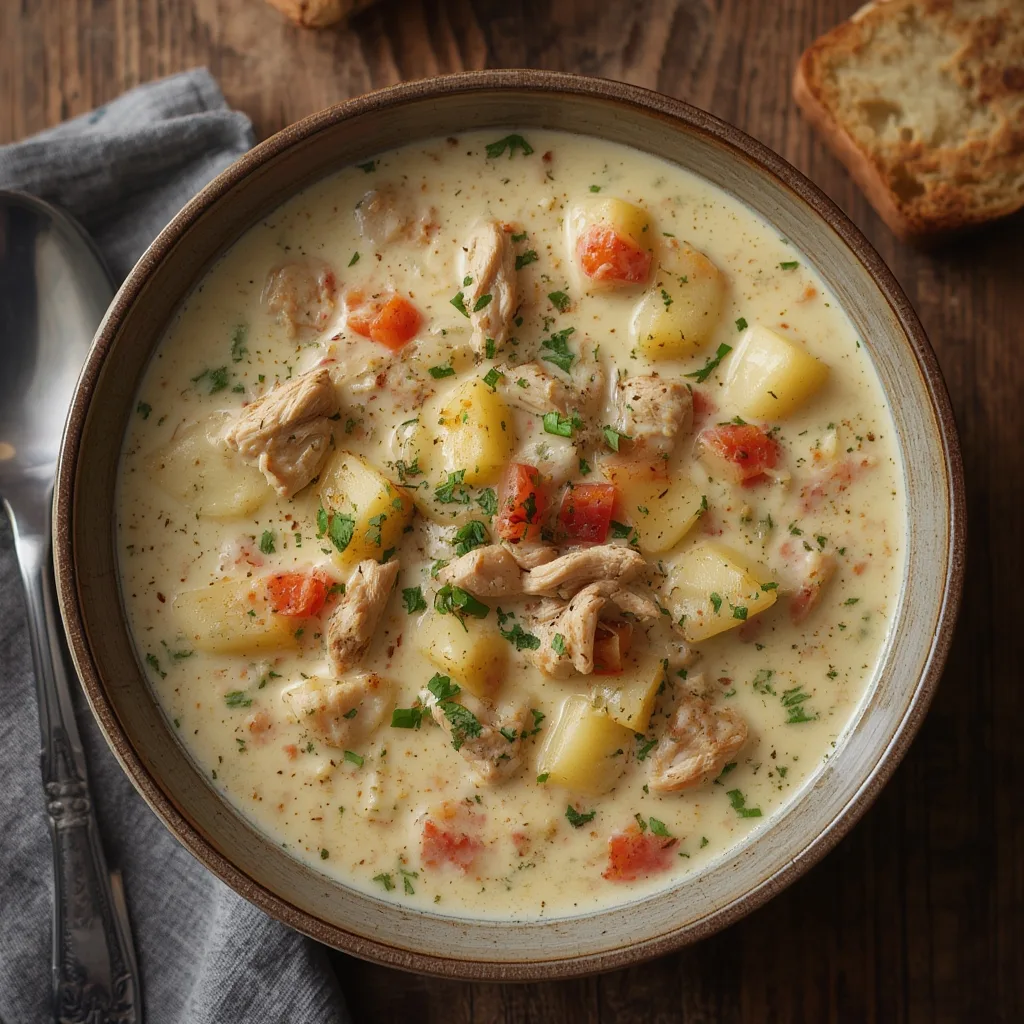
There you have it, friend! Diving into the world of effective Meal Plans is one of the best decisions you can make for a more organized, less stressful, and incredibly delicious culinary life. From saving precious time and money to ensuring your family enjoys healthy, homemade fare, the benefits are truly endless. Whether you’re just starting with beginner meal planning or looking to refine your system with a smart monthly meal plan, remember that consistency and flexibility are key.
Don’t let the idea overwhelm you. Start small, perhaps with just a few dinners, and gradually expand your weekly meal plan as you gain confidence. You’ll soon discover the joy of opening your fridge and knowing exactly what’s for dinner, without the last-minute scramble. Your future self (and your wallet!) will thank you. Now go forth, plan your meals, and enjoy the delicious journey!
Follow me on Pinterest for more Meal Plans
FAQ about Meal Plans
What is the easiest way to start with Meal Plans?
The easiest way to begin with meal plans is to pick just 2-3 dinners for your first week. Choose simple recipes you’re already familiar with or ones that require minimal ingredients. Once you feel comfortable, gradually add more meals to your weekly meal plan.
How do Meal Plans help save money?
Meal plans save money primarily by reducing impulse buys at the grocery store. When you shop with a specific list derived from your plan, you’re less likely to buy unnecessary items. It also helps you use ingredients efficiently, reducing food waste, which is fantastic for a budget meal plan.
Can I make healthy Meal Plans for weight loss?
Absolutely! Meal plans are an excellent tool for weight loss meals. By planning your meals, you can control portion sizes, ensure a balanced intake of nutrients, and prioritize whole, unprocessed foods. This approach helps you stay on track with a clean eating plan.
How long do prepped meals last in a Meal Plan?
Most cooked and properly stored meal plan components will last 3-4 days in the refrigerator. Some items, like hard-boiled eggs or chopped raw vegetables, might last a bit longer. For longer storage, consider freezing portions, especially for a monthly meal plan.
What if my family doesn’t like the Meal Plans I’ve chosen?
Incorporate your family in the planning process! Ask them for their favorite easy meal planning ideas or what kid friendly dinners they’d enjoy. Offer a few choices each week, and don’t be afraid to swap out ingredients as part of your simple recipes repertoire.
Are there Meal Plans solutions for busy parents?
Yes, busy parents often benefit the most from meal plans! Focus on quick recipes, sheet pan dinners, crockpot meal plan options, and batch cooking on weekends. Finding 10-minute meals or fast meal planning solutions can be a lifesaver during hectic weekdays.
Is it possible to do frugal Meal Planning with healthy options?
Definitely! Frugal meal planning can absolutely go hand-in-hand with healthy eating. Focus on seasonal produce, plant-based proteins like beans and lentils, and utilize cheaper cuts of meat or extend them with vegetables. A cheap weekly meals strategy doesn’t mean sacrificing nutrition.
Where can I find a good Meal Planning template?
Many websites and apps offer printable planner or digital meal planning template options. You can also create your own simple grid in a notebook. The best template is one that works for your personal style and helps you visualize your weekly meal plan.