
Table of Contents
Hey there, busy bee! Ever find yourself staring blankly into the fridge at 6 PM, wondering what on earth to make for dinner? Or maybe you’ve fallen into the takeout trap a few too many times because decision fatigue just hit too hard? Yep, we’ve all been there! That’s exactly where the magic of good old Meal Plans swoops in to save the day.
I used to dread the “what’s for dinner?” question. It felt like a daily pop quiz I was constantly failing. But once I embraced the concept of meal planning, everything changed. Suddenly, evenings were calmer, groceries were cheaper, and our plates were filled with wholesome, delicious food. It’s not about rigid rules; it’s about smart preparation and making food fun again!
So, if you’re looking to ditch the dinner time stress, save some cash, and maybe even eat a little healthier along the way, you’ve come to the right place. Let’s dive into how you can create your own fantastic Meal Plans, whether you’re a seasoned chef or a total beginner!
What Are Meal Plans, and Why Do People Love Them So Much?
At its core, a Meal Plan is simply deciding what you’re going to eat for a set period, usually a week, and then doing some prep work in advance. It’s like having a culinary roadmap for your days, ensuring you know exactly what ingredients you need and what dishes you’ll be making.
People absolutely adore meal planning because it tackles so many common kitchen frustrations. Think about it: no more last-minute grocery runs, less food waste because you’re buying with a purpose, and a significant cut in your food budget. It transforms chaotic mealtimes into organized, enjoyable experiences, making it a cornerstone for many busy families and individuals striving for a healthier lifestyle.
Nutritional Benefits & Why Meal Plans Are a Better Choice
Beyond convenience and cost savings, engaging in consistent Meal Plans offers profound nutritional benefits. When you plan your meals, you’re more likely to incorporate a variety of vegetables, lean proteins, and whole grains, ensuring a balanced diet throughout the week. This proactive approach helps in avoiding impulsive, less healthy food choices that often happen when hunger strikes and there’s no plan in place.
For those focused on specific health goals, a well-thought-out meal plan is an absolute game-changer. Whether it’s crafting a weight loss meals strategy with controlled portions, or developing a high protein meals plan to support fitness, planning provides the structure needed for success. It also allows you to focus on clean eating principles, helping you reduce processed foods and increase nutrient-dense options in your daily diet. This systematic approach supports overall well-being and consistent healthy eating habits effortlessly.
| Nutrient | Amount | Daily Value (%) |
|---|---|---|
| Calories | 350 kcal | 18% |
| Carbohydrates | 45g | 15% |
| Protein | 20g | 40% |
| Fat | 10g | 13% |
| Fiber | 8g | 32% |
| Sodium | 450mg | 19% |
Ingredients & Substitutions
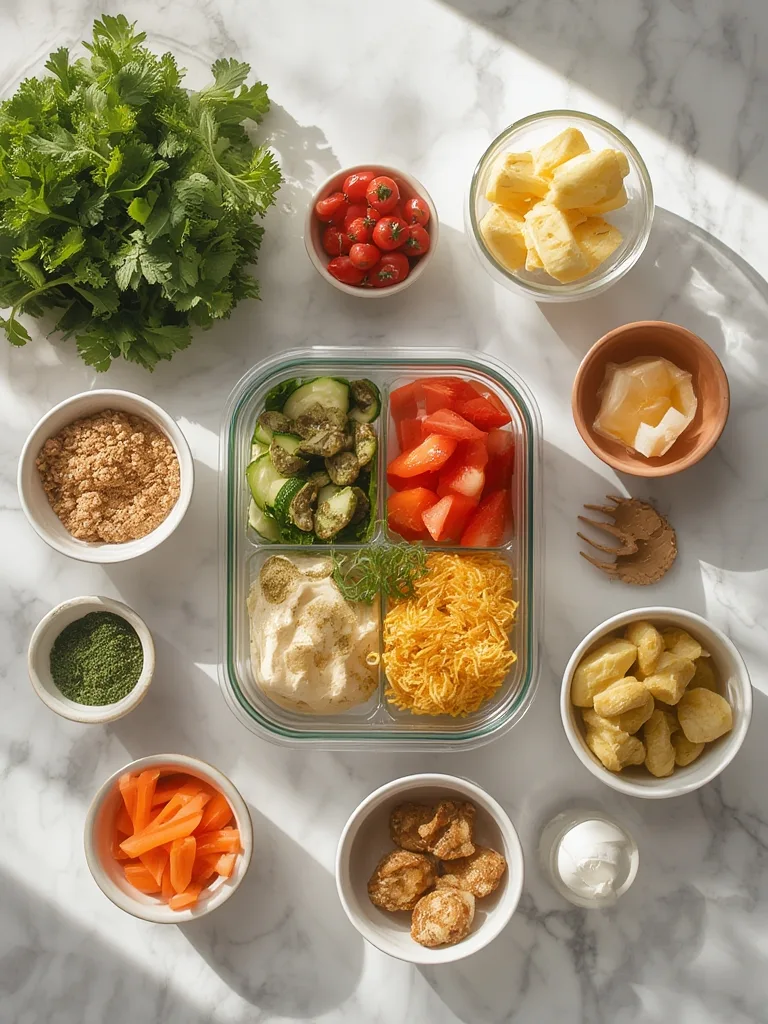
Main Ingredients:
To start your meal planning journey, focusing on versatile, wholesome ingredients will give you the most bang for your buck and allow for future adaptations.
- Lean Proteins: Chicken breast, ground turkey, chickpeas, lentils, tofu, eggs.
- Hearty Grains: Quinoa, brown rice, whole wheat pasta, oats.
- Abundant Vegetables: Broccoli, bell peppers, spinach, sweet potatoes, carrots, zucchini.
- Healthy Fats: Avocado, olive oil, nuts, seeds.
- Flavor Boosters: Herbs, spices, lemon juice, vinegars.
Substitutions & Variations:
Don’t be afraid to get creative and swap things around based on what you have, what’s seasonal, or what your family prefers. This is key for frugal meal planning and making sure your weekly meal plan stays exciting!
| Ingredient | Role | Possible Substitutions |
|---|---|---|
| Chicken Breast | Main Protein | Ground turkey, firm tofu, chickpeas, cannellini beans, tempeh |
| Quinoa | Whole Grain Base | Brown rice, farro, couscous, whole wheat pasta, lentils |
| Broccoli | Green Vegetable | Cauliflower, green beans, asparagus, Brussels sprouts, spinach |
| Bell Peppers | Crunchy Veggie | Cucumber, carrots, celery, cherry tomatoes, radishes |
| Olive Oil | Healthy Fat/Cooking | Avocado oil, coconut oil (for certain flavors), vegetable broth (for oil-free) |
| Hummus | Dip/Spread | Baba ghanoush, Greek yogurt dip, cashew cream, pesto |
| Whole Wheat Tortillas | Wrap/Base | Lettuce wraps, corn tortillas, large collard greens, rice paper |
Equipment Needed
You don’t need a fancy kitchen to become a meal planning pro! Most of what you need you probably already own. But here are a few things that can make your life easier.
With Special Equipment (Helpful but not essential):
- Food Processor: Great for making your own hummus, chopping veggies quickly, or making sauces.
- Instant Pot/Pressure Cooker: Speeds up cooking grains, beans, and tough cuts of meat for your crockpot meal plan.
- Air Fryer: Perfect for crispy veggies and quick protein cooking, fitting right into an air fryer plan.
- High-Quality Storage Containers: Glass containers with airtight lids are a game-changer for keeping prepped food fresh.
Without Special Equipment (Just the basics!):
- Sharp Knife and Cutting Board: Your primary tools for veggie prep.
- Large Pots and Pans: For cooking grains, sautéing vegetables, and preparing main dishes.
- Baking Sheets: Essential for sheet pan dinners and roasting veggies.
- Measuring Cups and Spoons: For accurate recipe following, especially important for weight loss meals.
- Basic Mixing Bowls: For combining ingredients.
Step-by-Step: How to Make Your Meal Plans Work for You
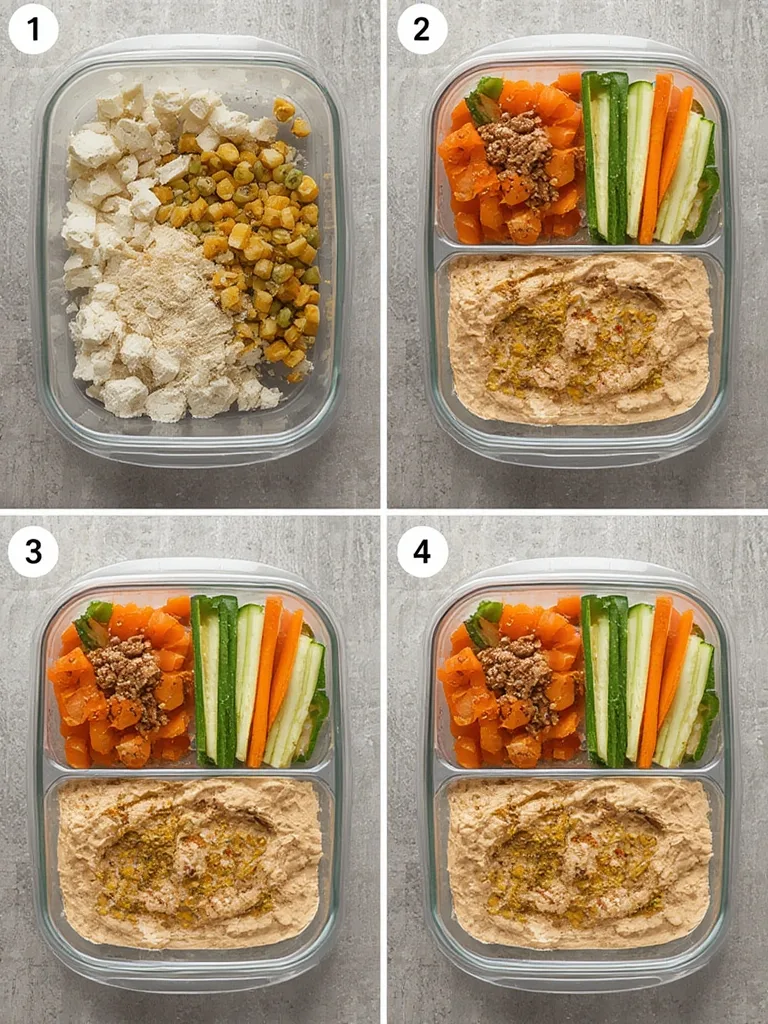
Ready to jump in? Here’s a simplified guide to creating effective weekly meal plan that actually sticks. Think of this as your beginner meal planning blueprint!
Prepare the Base:
This is where you lay the foundation for your week’s meals. Focus on staples that can be used in multiple dishes.
- Choose Your Recipes: Pick 3-5 simple recipes for the week. Consider themed nights (Meatless Monday, Taco Tuesday, etc.) or just focus on meals that use similar base ingredients. Look for simple recipes that don’t require too much fuss.
- Check Your Pantry & Shop Smart: Before writing your grocery list, see what you already have. Then, compile a list of what you need. This is crucial for a budget meal plan and avoiding food waste.
- Wash & Chop Produce: On your designated prep day (often Sunday), wash and chop all your vegetables. Store them in airtight containers. This step alone saves so much time during busy weeknights.
- Cook Grains & Proteins: Cook a large batch of quinoa, brown rice, or pasta. Roasting a big tray of chicken or a batch of chickpeas sets you up for easy additions to salads, bowls, or wraps all week.
Add Flavors / Swirl / Toppings:
This is where you bring your prepped ingredients to life, transforming them into delicious meals. Don’t be afraid to mix and match!
- Assemble Your Lunches: For easy Grab-and-Go lunches, assemble components into individual containers. For example, a base of pre-cooked grains, some roasted veggies, and a protein source.
- Prep Breakfast Components: If you’re doing breakfast planning, hard-boil eggs, mix up overnight oats, or portion out smoothie ingredients into freezer bags.
- Make Sauces & Dressings: Whisk together a vinaigrette, blend a pesto, or whip up a simple yogurt dip. Store them separately to prevent meals from getting soggy.
- Portion Snacks: For healthy snacks, portion out nuts, fruit, or veggies and hummus into small containers for easy access throughout the day. This is great for a snack planning approach.
Chill / Freeze / Cook / Bake:
Knowing how to store and finish your meals efficiently is key to making your meal plan successful.
- Store Perishables Properly: Store cooked proteins and vegetables in airtight containers in the fridge for 3-4 days. Dressings and sauces can last longer.
- Freeze for Later: If you’ve made a big batch of soup (great for a soup planning session) or a casserole, portion it out and freeze for future frugal meal planning.
- Finish with Freshness: Right before serving, add fresh herbs, a squeeze of lemon, or a sprinkle of cheese to brighten up your prepped meals.
- Enjoy Your Creations!: Take pride in your organized kitchen and enjoy stress-free, delicious meals all week long, thanks to your smart Meal Plans!
Troubleshooting & Pro Tips
Even the best-laid meal plans can hit a snag. Here are some solutions to common issues and tips to make your planning even smoother.
Texture Problems:
Sometimes prepped food can get mushy or dry. Here’s how to prevent that.
| Issue | Solution |
|---|---|
| Cooked veggies are soggy. | Undercook slightly during initial prep. Store dressing separately and add just before eating. Roast veggies at a higher temperature for crispness. |
| Grains or protein are dry. | Add a splash of water and reheat gently in the microwave or stovetop. Store with a sauce or a wedge of lemon/lime for moisture. |
| Salad greens wilted. | Store greens with a paper towel to absorb excess moisture. Keep dressing separate. Use sturdy greens like kale or romaine for best results. |
Adjusting Flavors & Sweetness:
- Too Bland? Don’t forget salt, pepper, a squeeze of lemon or lime, fresh herbs, or a pinch of red pepper flakes after reheating. A dash of your favorite hot sauce can also wake things up!
- Too Sweet/Sour? Balance sweetness with a pinch of salt or a splash of vinegar. If something is too sour, a tiny bit of sweetener (honey, maple syrup) or a creamy element can help.
- Mediterranean Flavors: Embrace ingredients like olives, feta, sun-dried tomatoes, and oregano for delicious mediterranean recipes that are full of zing.
Serving Suggestions:
- Family Meals: Serve components separately and let everyone build their own plate. This is especially good for kid friendly dinners, making them feel involved.
- On-the-Go: Use bento-style containers to keep different components separate until lunchtime.
- Add-Ons: Fresh avocado, toasted seeds, crunchy tortilla strips, or a dollop of Greek yogurt can elevate a simple prepped meal.
Flavor Variations & Add-Ins
One of the best parts about Meal Plans is the endless possibility for customization! Don’t get stuck in a rut; get creative with these ideas.
Fruit Combinations:
- Berry Blast: Add fresh or frozen berries to oatmeal, smoothies, or as a side to a savory breakfast item. Great for healthy breakfast options.
- Tropical Twist: Diced mango, pineapple, or kiwi can brighten up grain bowls or yogurt parfaits.
- Apple & Pear Power: Sliced apples or pears pair wonderfully with cheese and nuts for a balanced snack, or baked into oatmeal for cozy fall recipes.
Nut & Chocolate Additions:
- Crunchy Nuts: Toasted almonds, walnuts, pecans, or cashews add texture and healthy fats to salads, yogurt, or as part of a trail mix for snack planning.
- Seeds for Superfoods: Chia seeds, flax seeds, pumpkin seeds, and sunflower seeds boost fiber and nutrients in almost any dish.
- Dark Chocolate Delights: A few dark chocolate chips or a sprinkle of cocoa nibs can be a delicious and antioxidant-rich treat in oatmeal or energy balls.
Spices & Extracts:
- Global Flavors: Cumin, coriander, turmeric, paprika, and chili powder can transform simple ingredients into mediterranean recipes or Indian-inspired dishes.
- Herbaceous Heavens: Fresh basil, parsley, cilantro, dill, and mint add incredible freshness and flavor.
- Sweet Scents: Vanilla extract, almond extract, or cinnamon can elevate simple clean eating desserts or breakfast items without added sugar.
Storage & Make-Ahead Tips
Proper storage is the secret weapon of successful Meal Plans. Maximize freshness and minimize waste with these tips!
Most cooked meals and prepped components will last 3-4 days in the refrigerator when stored in airtight containers. Glass containers are fantastic because they don’t stain, can go from fridge to microwave (or oven, without the lid), and keep food tasting fresh. For best results, allow hot food to cool completely before covering and refrigerating to prevent condensation and bacterial growth.
For items like salads with dressing, always keep the dressing separate until just before serving to prevent soggy greens. Cooked grains can be fluffed with a fork before reheating. If you’re doing monthly meal plan, certain items like soups, stews, casseroles, and cooked proteins like shredded chicken or ground meat freeze beautifully for up to 2-3 months. Thaw overnight in the fridge and reheat thoroughly. Having a dedicated meal planning template or printable planner can help you keep track of what you’ve prepped and when to use it by.
More Ideas with Meal Plans
Once you get the hang of basic Meal Plans, you can branch out into more specific and exciting culinary adventures!
- Themed Weeks: Try a “Winter Warmers” week with hearty soup planning and comforting stews, or a “Mediterranean Medley” focusing on fresh, vibrant mediterranean recipes.
- 10-Minute Meal Focus: Dedicate one segment of your plan to 10-minute meals using already prepped ingredients for those super busy nights.
- Sheet Pan Dinners: Incorporate more sheet pan dinners for ultimate ease and minimal clean-up. Roasting veggies and protein together is a game-changer!
- Slow Cooker Extravaganza: Plan a week with a crockpot meal plan, using your slow cooker for “dump and go” dinners that cook themselves while you’re out.
- Kid-Friendly Creations: Design weekly family meals with kid friendly dinners that everyone will love, like homemade chicken nuggets or pasta bakes. Perfect for back-to-school meals!
Conclusion
See? Creating effective Meal Plans doesn’t have to be overwhelming or restrictive. It’s truly about embracing a smart, proactive approach to feeding yourself and your family. By taking a little time to plan and prep, you’re investing in your health, your bank account, and your peace of mind. No more frantic dinner decisions, no more wasted food, and a whole lot more deliciousness in your life!
So, why not give it a try this week? Pick a few simple recipes, make a grocery list, and dedicate an hour or two to some basic prep. You’ll be amazed at the positive impact it has. Happy planning, and happy eating!
Follow me on Pinterest for more Meal Plans
FAQ about Meal Plans
What are the biggest benefits of creating Meal Plans?
The biggest benefits of creating Meal Plans include saving time during busy weeknights, reducing food waste, saving money on groceries and takeout, and making healthier food choices consistently. It truly streamlines your entire cooking process.
How often should I create a new weekly meal plan?
Most people find it easiest and most effective to create a new weekly meal plan once a week, typically on a weekend afternoon. This allows you to grocery shop and do some initial prep, setting you up for success for the coming days.
Can Meal Plans help with a budget?
Absolutely! A well-executed budget meal plan is one of the best ways to cut down on food expenses. By planning your meals, you buy only what you need, utilize ingredients efficiently, and avoid expensive last-minute takeout or impulse purchases.
Are Meal Plans good for weight loss?
Yes, Meal Plans are incredibly effective for weight loss meals. They allow you to control portions, track calories and macros, and focus on nutrient-dense, clean eating options, making it much easier to stay on track with your health goals.
What if I’m a beginner at meal planning?
Don’t worry! Beginner meal planning is all about starting small. Pick just 2-3 dinners to plan for, choose simple recipes, and use a basic meal planning template. You’ll build confidence and skills as you go!
How can I make my family meals more appealing with Meal Plans?
To make family meals more appealing with Meal Plans, involve your family in the planning process! Let them choose a meal or two, incorporate kid friendly dinners, and don’t be afraid to theme certain nights for fun, like “Taco Tuesday” or “Sheet Pan Friday.”
Can I include healthy snacks in my Meal Plans?
Definitely! Incorporating healthy snacks into your Meal Plans is a fantastic idea. Plan for healthy options like fruit, nuts, yogurt, or veggies and hummus to avoid unhealthy grazing and support your overall clean eating plan.
What if I don’t have much time for cooking during the week?
If you’re short on time, focus on prep in advance. Utilize crockpot meal plan ideas for “dump and go” meals, make sheet pan dinners for minimal cleanup, or prep ingredients for 10-minute meals that just need quick assembly and heating.
You might also like these :
 Mini Reeses Cup Cheesecakes: Irresistible Twists on Homemade Reeses Cups
 Delicious Baked Churro Bites: A Guilt-Free Cinnamon-Sugar Dream You’ll Love
 Cranberry Brie Tartlets with Thyme – Irresistible Christmas Appetizers to Wow Your Guests!
 Puff Pastry Brie Stars with Cranberry Jam – Festive Holiday Appetizers That Shine Bright