
Table of Contents
Hey there, fellow food adventurers! Ever feel like you’re constantly scrambling at dinner time, staring into an abyss of an empty fridge, or ordering takeout more often than you’d like to admit? You’re definitely not alone. Life gets busy, right? Between work, family, and everything else, finding time to plan out nutritious and delicious meals can feel like another chore added to an already overflowing plate. That’s where the magic of **Meal Plans** comes in!
For years, I struggled with the nightly “what’s for dinner?” dilemma. It led to stress, wasted food, and a significant dent in my budget. But once I embraced the concept of easy meal planning, everything changed. It felt like I unlocked a secret superpower for my kitchen, transforming chaos into calm. Whether you’re a seasoned chef or a beginner in the kitchen, a well-thought-out plan can simplify your life in ways you never thought possible.
Think of this as your friendly guide to mastering the art of meal planning. We’ll explore everything from why it’s so beneficial to practical tips for creating your very own weekly meal plan, even on the busiest of schedules. So, grab a cup of coffee (or your favorite healthy snack!) and let’s dive into how you can make your meal times stress-free and delicious.
What Are Meal Plans and Why Are They So Popular?
At its core, a meal plan is simply a strategy for deciding what you’re going to eat for a set period, usually a week. It involves choosing recipes, creating a shopping list based on those recipes, and ideally, doing some prep work in advance. It’s more than just jotting down dinner ideas; it’s a proactive approach to your nutrition and kitchen management. People love meal plans because they take the guesswork out of daily eating.
The popularity of meal plans has surged because they address so many common pain points. No more last-minute grocery runs for one missing ingredient, no more staring blankly into the fridge, and certainly no more relying on expensive takeout when you’re too tired to cook. They offer a sense of control and predictability in what can often feel like a chaotic world. Plus, they promote healthier eating habits by encouraging thoughtful food choices rather than impulsive ones.
Whether you’re looking for a simple weekly meal plan to get started, a budget meal plan to save those precious pennies, or a healthy meal planning strategy for specific health goals, the underlying principle is the same: preparation is key. It’s about setting yourself up for success, one delicious meal at a time!
Nutritional Benefits & Why Effective Meal Planning is a Better Choice
Beyond the convenience, one of the biggest wins with smart meal plans is the profound impact they have on our nutrition. When you plan your meals, you’re not just deciding what to eat; you’re making conscious choices about the nutrients going into your body. This thoughtful approach naturally leads to healthier habits and a more balanced diet.
By planning ahead, you can actively incorporate a wider variety of fruits, vegetables, lean proteins, and whole grains into your diet. This helps ensure you’re getting all the essential vitamins and minerals your body needs. It’s much easier to hit your daily nutritional targets when you’ve mapped it out, rather than making spontaneous, often less healthy, decisions when hunger strikes. For example, a healthy meal planning approach can help you avoid processed foods and excess sugars, leading to more energy and better overall health. If you’re focusing on weight loss meals, planning helps you control portion sizes and track your caloric intake more accurately, making your journey much more effective.
Consider the convenience factor too. Imagine a week where you barely have to think about dinner. Ingredients are prepped, recipes are chosen, and cooking is a breeze. This reduces stress, which in turn, contributes to better overall well-being. It simplifies clean eating plan adherence, making nutrient-dense meals a regular part of your routine. Ultimately, effective meal planning is a powerful tool for achieving and maintaining a healthy, balanced lifestyle.
| Nutrient Category | Benefit of Meal Planning | Example |
|---|---|---|
| Balanced Macronutrients | Ensures proper ratios of carbs, proteins, and fats. | Planning for high protein meals or complex carbs. |
| Increased Micronutrients | Incorporates a wider variety of vitamins and minerals. | Adding diverse vegetables to your weekly meal plan. |
| Portion Control | Helps manage serving sizes to avoid overeating. | Pre-portioning snacks or complete weight loss meals. |
| Reduced Processed Foods | Minimizes reliance on convenience foods high in unhealthy fats/sugars. | Making home-cooked meals instead of takeout. |
| Improved Hydration | Can incorporate water-rich foods or reminders to drink water. | Planning refreshing smoothies or soups. |
Ingredients & Substitutions for Flexible Meal Plans
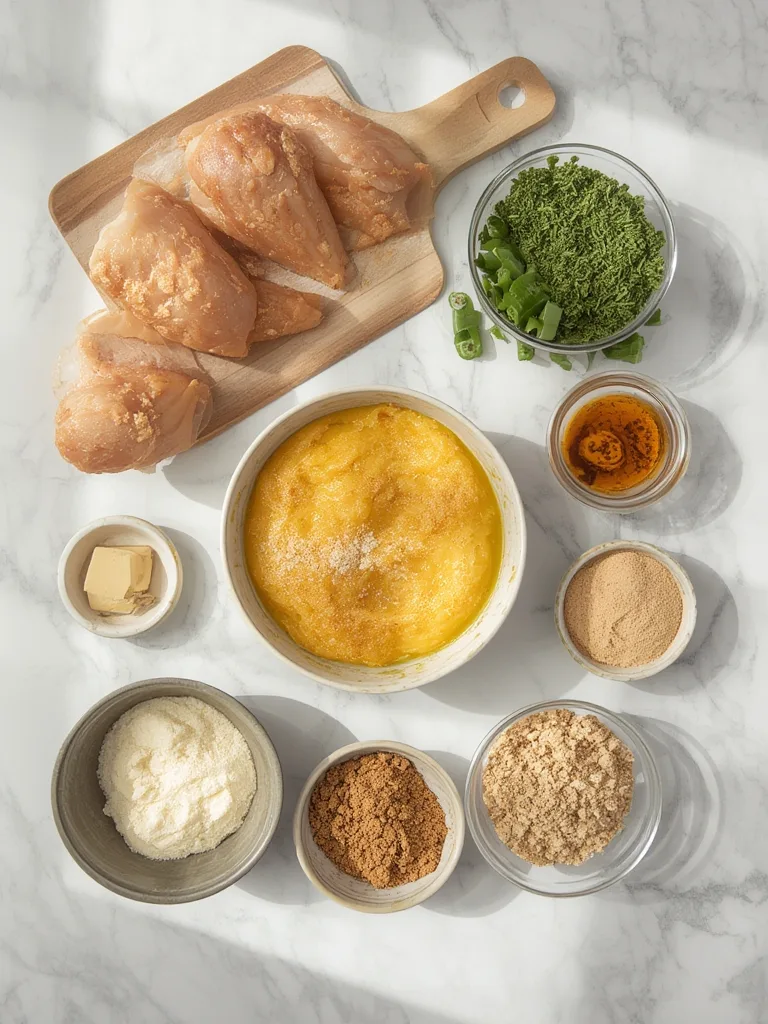
One of the beauties of meal planning is its adaptability. You don’t need a strict, unchanging list of ingredients. In fact, embracing flexibility with what you buy and what you swap out can make your plan even more sustainable and enjoyable. Let’s look at some core components and how you can make them work for you, your budget, and your preferences.
A good starting point for any family meal plan or budget meal plan is to build around versatile staples. These are ingredients that can be used in multiple dishes throughout the week, reducing waste and simplifying your shopping list. Think about ingredients that can serve as the base for cheap dinners or be transformed into something more elaborate.
Main Ingredients for Versatile Meal Plans:
- **Lean Proteins:** Chicken breasts, ground turkey, canned tuna, lentils, beans, eggs. These form the backbone of many hearty and healthy meals.
- **Whole Grains:** Brown rice, quinoa, whole wheat pasta, oats, whole wheat bread. Essential for sustained energy.
- **Seasonal Vegetables:** Broccoli, spinach, carrots, bell peppers, onions, potatoes. Buying in-season is often cheaper and fresher, perfect for frugal meal planning.
- **Healthy Fats:** Olive oil, avocados, nuts, seeds. Crucial for flavor and nutrient absorption.
- **Dairy/Alternatives:** Milk, yogurt, cheese, plant-based milks. Good for calcium and protein.
- **Pantry Staples:** Canned tomatoes, broths, spices, vinegars. These elevate simple recipes.
Substitutions & Variations for Your Meal Plans:
Don’t have an ingredient? Don’t stress! Meal planning is all about making it work for you. Here’s how you can be flexible with your ingredients to suit your tastes, dietary needs, or what’s simply available in your pantry. This is especially helpful for creating a practical winter meal plan where certain fresh produce might be scarce, or if you’re trying a crockpot meal plan where ingredients need to be forgiving.
| Ingredient | Role in Meal Plan | Possible Substitutions |
|---|---|---|
| Chicken Breast | Lean Protein, versatile base | Tofu, chickpeas, pork loin, ground turkey, firm white fish |
| Brown Rice | Complex Carb, side dish | Quinoa, farro, couscous, whole wheat pasta, roasted potatoes |
| Spinach | Leafy Green, nutrient booster | Kale, Swiss chard, collard greens, frozen mixed greens |
| Bell Peppers | Vegetable, sweetness & crunch | Zucchini, carrots, onions, frozen mixed vegetables |
| Canned Tomatoes | Sauce base, flavor enhancer | Fresh tomatoes (when in season), tomato paste + water, tomato puree |
| Olive Oil | Healthy Fat, cooking medium | Avocado oil, coconut oil (for specific flavors), canola oil |
| Greek Yogurt | Creamy base, protein boost | Sour cream, cottage cheese, silken tofu (blended), plant-based yogurt |
| Cheddar Cheese | Topping, flavor | Mozzarella, Colby Jack, nutritional yeast (for cheesy flavor without dairy) |
Equipment Needed for Efficient Meal Planning
You might be thinking you need a kitchen full of fancy gadgets to execute brilliant meal plans, but that’s simply not true! While some tools can make life easier, you can absolutely create amazing, simple recipes with just the basics. The key is knowing what helps and what you can do without.
With Special Equipment
If you’ve got some kitchen gadgets, here’s how they can supercharge your meal planning, especially if you’re looking at things like an air fryer plan or a crockpot meal plan:
- **Slow Cooker/Crockpot:** An absolute lifesaver for dump-and-go meals. Perfect for a crockpot meal plan where you set it and forget it, coming home to a fully cooked meal. Think stews, pulled chicken, or healthy chilis.
- **Air Fryer:** Ideal for quick, crispy results without a lot of oil. An air fryer plan can include anything from roasted vegetables to juicy chicken tenders, making for fast meal planning.
- **Instant Pot/Pressure Cooker:** Speeds up cooking time dramatically for grains, beans, and tough cuts of meat. Great for creating components for a monthly meal plan quickly.
- **Food Processor:** Excellent for chopping large quantities of vegetables, making sauces, or prepping ingredients for big batch cooking, supporting any intensive healthy meal planning.
- **Sheet Pans:** Critical for sheet pan dinners and one pan meals. Roast your protein and veggies together for minimal clean-up, a real win for family meal planning.
- **Good Quality Storage Containers:** Leak-proof and microwave-safe containers are essential for storing prepped ingredients and individual portions of your weight loss meals or healthy snacks.
Without Special Equipment
Don’t fret if your kitchen is on the simpler side! You can still crush your meal planning goals with just a few fundamental items:
- **Sharp Knives:** A good chef’s knife and a paring knife will make all your chopping and slicing infinitely easier.
- **Cutting Boards:** Multiple cutting boards are handy to prevent cross-contamination.
- **Large Pots & Pans:** A sturdy skillet, a saucepan, and a large stockpot are sufficient for most simple recipes.
- **Baking Sheets:** For roasting vegetables or baking proteins. These are great for basic sheet pan dinners too, even without the “sheet pan” in the name!
- **Mixing Bowls:** Various sizes for prepping and mixing.
- **Measuring Cups & Spoons:** Essential for accurate recipes, especially when you’re focusing on weight loss meals or a clean eating plan.
- **Basic Storage (Bowls with Lids):** Even simple plastic containers or bowls covered with foil or plastic wrap will work for storing prepped food at the beginning of your beginner meal planning journey.
Step-by-Step: How to Make Your Meal Plans Work Like a Charm
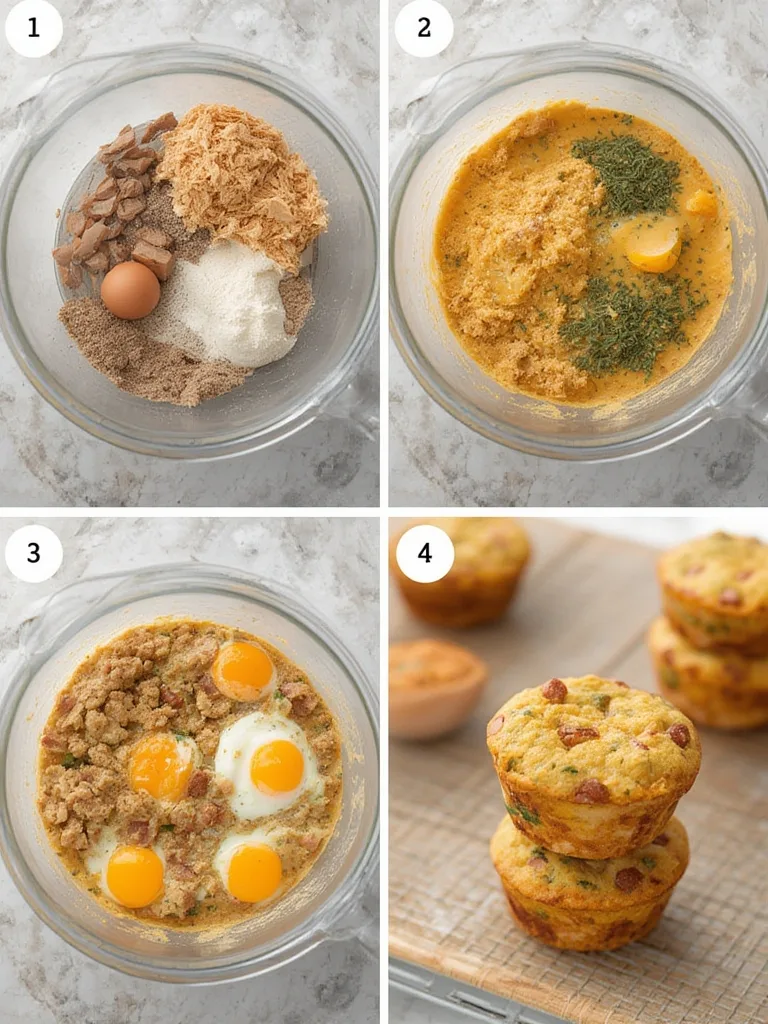
Ready to jump into the practical side of meal planning? Here’s a streamlined, step-by-step approach that can be adapted for anything from simple recipes to more complex family meals. This process will help you create a sustainable weekly meal plan without feeling overwhelmed.
Prepare the Base: Brainstorm & Inventory
Before you even think about recipes, take stock! This foundational step is crucial for an effective budget meal plan or frugal meal planning.
- **Check Your Pantry & Fridge:** What do you already have? Use up ingredients to avoid waste and save money. This also helps spark ideas for cheap dinners.
- **Consult Your Calendar:** Look at your week. Are there nights you’ll be out late? Will you have guests? Are there days you’ll need 10-minute meals or fast meal planning due to sports or activities? Plan easy, quick meals for those busy days.
- **Gather Inspiration:** Look through cookbooks, Pinterest, or your favorite food blogs for simple recipes. Consider your dietary goals – weight loss meals, high protein meals, or clean eating plan compliant dishes. Don’t forget themed nights for family meal planning (e.g., “Taco Tuesday”).
Add Flavors / Organize Your Choices
Now that you know what you have and what your week looks like, it’s time to pick your meals and build your shopping list.
- **Choose 3-5 Meals for the Week:** Don’t try to plan every single meal at first. Start with dinners, adding lunches and breakfasts later if you feel ambitious. Aim for variety in flavors and cooking methods. For winter meal plan ideas, think cozy recipes like soups and stews.
- **List Ingredients for Each Meal:** Go through each chosen recipe and write down every ingredient you need. Be specific with quantities.
- **Create Your Shopping List:** Consolidate all needed ingredients onto one master list, organized by grocery store sections (produce, dairy, pantry, meat, etc.). This makes grocery shopping quick and efficient, helping with cheap weekly meals.
Chill / Prep / Cook Ahead: Make Life Easy
This is where the magic happens – investing a little time now saves you a lot of time and stress later. This is key for beginner meal planning and ensures you stick to your plan.
- **Schedule a Prep Session:** Dedicate 1-2 hours, typically on a Sunday, for meal prep. Put on some music or a podcast and get to work!
- **Wash & Chop Produce:** Wash all leafy greens, chop vegetables for individual meals (e.g., bell peppers for stir-fry, onions for chili), and store them in airtight containers. This is huge for simple recipes.
- **Cook Grains & Proteins:** Cook a large batch of brown rice or quinoa. Cook or shred chicken for use in multiple meals. Hard boil a dozen eggs for healthy snacks or quick breakfasts.
- **Portion Out Snacks & Lunches:** Pre-portion healthy snacks like nuts, fruit, or veggies and hummus. Assemble mason jar salads or pre-pack leftovers for quick workday lunches.
- **Store Smartly:** Label all containers with the contents and date. Proper storage ensures your food stays fresh and safe throughout the week.
Troubleshooting & Pro Tips for Your Meal Plans
Even the best-laid meal plans can sometimes hit a snag. But don’t worry, with a few troubleshooting tips and some pro advice, you can keep your planning on track and make it a sustainable habit!
Texture Problems (e.g., Soggy Meals, Dry Chicken)
Sometimes, prepped components or reheated meals don’t have the ideal texture. This is a common hurdle, especially with weight loss meals that might be lower in fat.
| Issue | Solution |
|---|---|
| Soggy veggies after reheating | Store cooked veggies separately from sauces/proteins. Cook them al dente during prep. Reheat in an air fryer or pan for crispness. |
| Dry chicken/meat | Don’t overcook during initial prep. Cook to just done. For reheating, add a splash of broth or water. Reheat gently in the microwave or covered in a pan. |
| Grains are too sticky/dry | Ensure correct liquid-to-grain ratio during cooking. Store in airtight containers to retain moisture. Fluff before serving. |
Adjusting Sweetness & Flavor in Batch Cooking
When cooking larger batches for your weekly meal plan, you need to rely on versatile flavors that can be adapted.
- **Build a Master Sauce:** Instead of flavoring everything specifically, make a base sauce (e.g., a simple vinaigrette, a basic tomato sauce) and add specific herbs/spices when you portion it out for individual meals.
- **Acidity is Key:** A squeeze of lemon or lime juice, or a splash of vinegar, can brighten up almost any dish that tastes a bit flat after reheating. For clean eating plan meals, this adds flavor without sugar.
- **Fresh Herbs at Serving:** Add fresh herbs like cilantro, parsley, or basil just before eating. Their vibrant flavor can revitalize a pre-cooked meal.
- **Spice It Up:** Keep a variety of spices on hand. A sprinkle of chili flakes, cumin, or smoked paprika can completely change a dish’s profile.
Serving Suggestions for Maximum Enjoyment
Even a well-planned meal can be elevated by how it’s presented and what it’s paired with.
- **Mix & Match:** Don’t feel obligated to eat the exact same meal every day. If you planned for cooked chicken, roasted veggies, and quinoa, you can combine them differently: a bowl one day, a wrap the next, or mix into a salad. This keeps your monthly meal plan interesting.
- **Garnish Power:** A sprinkle of fresh herbs, a spoonful of Greek yogurt, a drizzle of good olive oil, or toasted nuts can make a simple meal feel special.
- **Keep it Simple for Kids:** For family meal planning, serve components separately for picky eaters (e.g., chicken, rice, and broccoli on one plate instead of a casserole). Let them add their own sauce or cheese.
- **Healthy Snacks on Deck:** Always have healthy snacks prepped. This prevents unhealthy impulse eating between meals. Think chopped veggies, fruit, hard-boiled eggs, or a small handful of nuts.
Flavor Variations & Add-Ins for Exciting Meal Plans
One of the best ways to keep your weekly meal plan fresh and exciting is to play with different flavor profiles and add-ins. This keeps “food boredom” at bay and encourages you to stick with your healthy meal planning goals. Even simple recipes can be transformed with a few tweaks!
Fruit Combinations for Sweet & Savory
Don’t just think of fruit for breakfast or dessert. Incorporating fruit into savory dishes can add an unexpected layer of flavor and moisture, perfect for a clean eating plan.
- **Roasted Veggies with Fruit:** Add apple slices or pear chunks to roasted root vegetables (carrots, sweet potatoes) for a touch of sweetness.
- **Salads with Berries/Citrus:** Toss spinach or kale with blueberries, strawberries, or orange segments for a bright, fresh side salad. Perfect for high protein meals with a light touch.
- **Chicken or Pork with Stone Fruits:** Pair grilled chicken or pork chops with grilled peaches, plums, or a mango salsa.
- **Autumnal Flavors:** For a fall meal planning approach, combine roasted squash with dried cranberries or sliced figs.
Nut & Chocolate Additions for Texture & Richness
Nuts and seeds offer healthy fats, protein, and a satisfying crunch. Dark chocolate, in moderation, can be a delicious treat.
- **Toasted Nuts for Crunch:** Sprinkle toasted almonds, walnuts, or pecans over salads, oatmeal, or stir-fries for added texture and healthy fats.
- **Seeds for Superfood Boost:** Chia seeds, flax seeds, or hemp hearts can be stirred into Greek yogurt, smoothies, or oatmeal for extra fiber and omega-3s, ideal for healthy snacks.
- **Nut Butters:** Peanut butter, almond butter, or cashew butter can be used in sauces, curries, or as a spread for healthy breakfast planning.
- **Dark Chocolate Chips:** A small handful of dark chocolate chips can be folded into oatmeal, power balls, or enjoyed as a small dessert after a weight loss meal.
Spices & Extracts for Global Flavors
Your spice rack is a treasure trove for diversifying your meal plans! A few pinches of the right spice can transport your simple recipes across the globe.
- **Mediterranean Vibes:** Use oregano, thyme, rosemary, and a touch of lemon for chicken, fish, or vegetable dishes when aiming for Mediterranean recipes.
- **Asian Flair:** Ginger, garlic, soy sauce (or tamari), sesame oil, and a dash of Sriracha can transform almost any protein and veggie stir-fry.
- **Mexican Fiesta:** Cumin, chili powder, paprika, coriander, and a squeeze of lime juice are perfect for tacos, fajitas, or chili, making cheap dinners exciting.
- **Indian Inspiration:** Turmeric, garam masala, curry powder, and cardamom can create rich, aromatic curries with lentils, chickpeas, or chicken.
- **Extracts for Baking/Sweet Treats:** Vanilla, almond, peppermint, or orange extracts can elevate homemade healthy snacks like energy bites or muffins.
Storage & Make-Ahead Tips for Seamless Meal Plans
Mastering meal prep and proper storage is what truly makes meal plans a game-changer. It ensures your food stays fresh, safe, and ready to eat all week long, transforming a simple weekly meal plan into an efficient system.
Key Principles for Perfect Storage:
- **Airtight Containers are Your Best Friend:** Invest in good quality, BPA-free airtight containers. Glass containers are excellent as they don’t stain, are microwave-safe, and retain heat well. They’re perfect for storing individual weight loss meals or components of your everyday meal plans.
- **Cool Completely Before Storing:** Never put hot food directly into the fridge. Let it cool at room temperature for no more than two hours before sealing and refrigerating. This prevents bacterial growth and ensures your fridge isn’t working overtime.
- **Portion Strategically:** Decide if you want to store entire meals pre-portioned, or if you prefer to store components separately (e.g., cooked chicken in one container, roasted veggies in another, grains in a third). Storing components separately can prevent sogginess and allow for more mix-and-match possibilities for your monthly meal plan.
- **Label Everything:** Use masking tape and a marker to label containers with the food item and the date it was cooked. This makes it easy to track freshness and prioritize what needs to be eaten first, especially helpful for a diverse family meal plan.
Storage Durations & Best Practices:
- **Cooked Meats & Poultry:** Store in an airtight container for 3-4 days in the refrigerator. For longer storage, freeze in individual portions for up to 2-3 months. Great for high protein meals.
- **Cooked Grains (Rice, Quinoa, Pasta):** Keep in airtight containers for 3-4 days in the fridge. Can be frozen for up to 1 month, good for beginner meal planning when you cook large batches.
- **Roasted Vegetables:** Last 3-5 days in the fridge. Reheat in an oven or air fryer for best texture. If part of a sheet pan dinner, store separated from the protein if possible.
- **Soups & Stews:** These are fantastic for make-ahead! Store in airtight containers for 3-4 days in the fridge, or freeze for 2-3 months. Perfect for a cozy winter meal plan or a crockpot meal plan.
- **Prepared Salads (without dressing):** Store greens separately from other toppings (like cheese, nuts, dressing) in airtight containers for 3-4 days. Add dressing right before serving to avoid a soggy salad, a key for a clean eating plan. Mason jar salads are excellent for this.
- **Washed & Chopped Raw Vegetables:** Store in airtight containers in the fridge for 5-7 days. Adding a paper towel to absorb moisture can extend their life, making your healthy snacks last longer.
- **Hard-Boiled Eggs:** Store in their shells in the fridge for up to a week. Ideal for quick cheap breakfast options or protein boosts.
Reheating for Optimal Enjoyment:
- **Microwave:** Best for soups, stews, and saucy dishes. Reheat individual portions in microwave-safe containers. Stir halfway through.
- **Stovetop:** Ideal for pasta dishes, curries, or grains with a splash of water or broth to prevent drying out.
- **Oven/Air Fryer:** Excellent for roasted vegetables, baked chicken, or sheet pan dinners to retain crispness and prevent sogginess.
More Ideas to Elevate Your Meal Plans
Once you’ve mastered the basics of meal planning, you’ll find there’s a whole world of possibilities to explore! Here are a few ways to expand your repertoire and keep your kitchen exciting.
- **Themed Dinner Nights:** Assign a theme to each night (e.g., “Meatless Monday,” “Taco Tuesday,” “Pasta Power Wednesday,” “Sheet Pan Thursday”). This simplifies decision-making for your family meal plan and introduces variety.
- **Explore Global Cuisines:** Dive into Mediterranean recipes for healthy, vibrant meals, or try your hand at Asian-inspired dishes. This keeps your clean eating plan interesting and prevents meal fatigue.
- **Batch Cook Sauces & Dressings:** Make a big batch of hummus, pesto, or a versatile vinaigrette at the start of the week. These can instantly elevate simple recipes, act as healthy snacks, or transform raw veggies.
- **”Cook Once, Eat Twice” Mentality:** Plan meals where leftovers can be repurposed into a completely new dish. For example, roast a whole chicken and use the leftovers for wraps, salads, or a quick soup base for your winter meal plan.
- **Seasonal Focus:** Build your weekly meal plan around seasonal produce. It’s often cheaper, fresher, and more flavorful, making your budget meal plan even more effective. This is especially fun for fall meal planning with all those cozy recipes!

Conclusion
So, there you have it – your comprehensive guide to mastering meal plans! From understanding the incredible nutritional benefits to practical tips for prepping and storing, we’ve covered how this simple habit can truly revolutionize your life. No more frantic grocery runs, stressful dinner dilemmas, or budget blowouts. With a little planning, you can enjoy delicious, healthy meals every single day.
I genuinely encourage you to give meal planning a try. Start small with a simple weekly meal plan, focusing on just a few easy dinners, and gradually build up your confidence. You’ll be amazed at how much time, money, and mental energy you’ll save. Plus, the peace of mind that comes with knowing “what’s for dinner” is truly priceless. Happy planning, my friend!
Follow me on Pinterest for more Meal Plans
FAQ about Meal Plans
What exactly is a weekly meal plan?
A weekly meal plan is a pre-determined schedule of all your meals and snacks for seven days. It typically includes breakfast, lunch, dinner, and any snacks, helping you stay organized, save money, and eat healthier throughout the week.
How does meal planning help save money?
Meal plans help you save money by allowing you to create a precise grocery list, reducing impulse buys and food waste. When you know exactly what you need, you avoid buying unnecessary items and can often find cheaper dinners by planning around sales and using versatile ingredients for frugal meal planning.
Can meal plans really help with weight loss?
Absolutely! Healthy meal planning is a powerful tool for weight loss meals. It allows you to control portion sizes, track calories and macronutrients, and ensure you’re consuming nutrient-dense foods. This proactive approach helps avoid unhealthy impulse eating and supports a consistent clean eating plan.
Are meal plans only for dinner, or should I plan all my meals?
While many people start by planning dinners, extending your meal plans to include breakfast, lunch, and healthy snacks can offer even greater benefits for time-saving and nutritional goals. For beginners, starting with simple dinner recipes is a great first step, then gradually incorporating other meals.
What if I don’t like cooking every day?
Meal planning is perfect for you! It encourages batch cooking, where you prepare larger quantities of ingredients or entire meals once or twice a week. This means you only cook a few times, then simply reheat prepped portions for quick 10-minute meals or even dump-and-go crockpot meal plan options throughout the week.
How do I create a family meal plan that caters to picky eaters?
When creating a family meal plan, try to include “deconstructed” meals where components are served separately (e.g., taco bar with separate fillings). Also, involve your kids in choosing one meal per week, making them more invested. Focus on kid-friendly dinners that can be easily customized.
What are some tips for beginner meal planning?
Start small: plan only 3-4 dinners for your first week. Use simple recipes with ingredients you already know and love. Focus on one type of protein or grain to cook in bulk. Don’t aim for perfection, just consistency. A printable planner or a simple notebook can be your best friend for beginner meal planning basics.
How can I make my budget meal plan more effective?
To make your budget meal plan even more effective, prioritize using seasonal produce, buying generic brands, incorporating plant-based proteins like beans and lentils, and utilizing cheap weekly meals like pasta dishes or rice bowls. Keep an eye out for sales and plan your menu around them to find those fantastic $5 dinners.
You might also like these :
 Cheesy Sausage Breakfast Casserole Delight: The Ultimate Morning Comfort Dish
 Egg and Ham Breakfast Sandwich: The Easy, Flavor-Packed Morning Hero You’ll Crave Daily
 Unforgettable Loaded Bacon & Egg Breakfast Casserole: Your Ultimate Morning Hero!
 Irresistibly Cozy Classic Sausage & Egg Breakfast Casserole Everyone Loves