Table of Contents
Hey there, fellow foodies and busy bees! Ever feel like your week is a whirlwind of “what’s for dinner?” dilemmas? You’re not alone! The daily grind often leaves us scrambling for quick fixes, leading to unhealthy takeout or repetitive, uninspiring meals. But what if I told you there’s a way to reclaim your evenings, save money, and still eat incredibly well? Enter the wonderful world of Meal Plans!
For years, I struggled with mealtime chaos. Dinner felt like a chore, and grocery shopping was always a last-minute dash. Then, I discovered the game-changing power of a well-organized meal plan. It wasn’t about rigid rules, but about smart strategies that brought peace back to my kitchen. This isn’t just about food; it’s about making your life easier, healthier, and more delicious. Ready to dive in and transform your cooking routine?
What Are Meal Plans?
At its core, a meal plan is simply a pre-determined schedule of what you’re going to eat for a specific period, typically a week or sometimes even a month. Think of it as your culinary roadmap, guiding you through breakfasts, lunches, dinners, and even snacks. It’s not about making every meal from scratch every single day, but about having a clear idea of what ingredients you need and what dishes you’ll be preparing. This foresight is where the magic happens!
People love meal plans because they eliminate decision fatigue. No more staring blankly into the fridge, wondering what to whip up. It streamlines your grocery list, reduces food waste (hello, savings!), and can even help you stick to dietary goals, whether that’s clean eating, a healthy meal planning approach for weight loss meals, or just ensuring your family meals are balanced and nutritious. It’s a foundational step towards a more organized and stress-free approach to food.
Nutritional Benefits & Why It’s a Better Choice
Beyond the sheer convenience, embracing comprehensive Meal Plans offers a myriad of nutritional benefits. When you plan ahead, you’re more likely to make deliberate, healthy choices. Instead of grabbing whatever’s fast and easy (which often means processed foods high in sugar, salt, and unhealthy fats), you can intentionally incorporate a variety of vegetables, lean proteins, and whole grains into your weekly meal plan.
This deliberate approach can support specific health goals, like weight loss meals or a clean eating plan. It also helps manage portion control and ensures a balanced intake of macronutrients and micronutrients throughout the week. Plus, preparing more meals at home often means less added sugar and sodium compared to restaurant or takeout options, leading to better overall health. It’s truly a smarter way to nourish your body and your family.
| Nutrient | Benefit |
|---|---|
| Calories | Better control for weight management. |
| Carbohydrates | Can prioritize complex carbs for sustained energy. |
| Protein | Ensures adequate intake for muscle repair and satiety. |
| Fats | Allows for inclusion of healthy fats (e.g., avocado, nuts). |
| Fiber | Can intentionally add fiber-rich foods for digestive health. |
| Vitamins & Minerals | Ensures a diverse intake through varied ingredients. |
Ingredients & Substitutions
Main Ingredients:
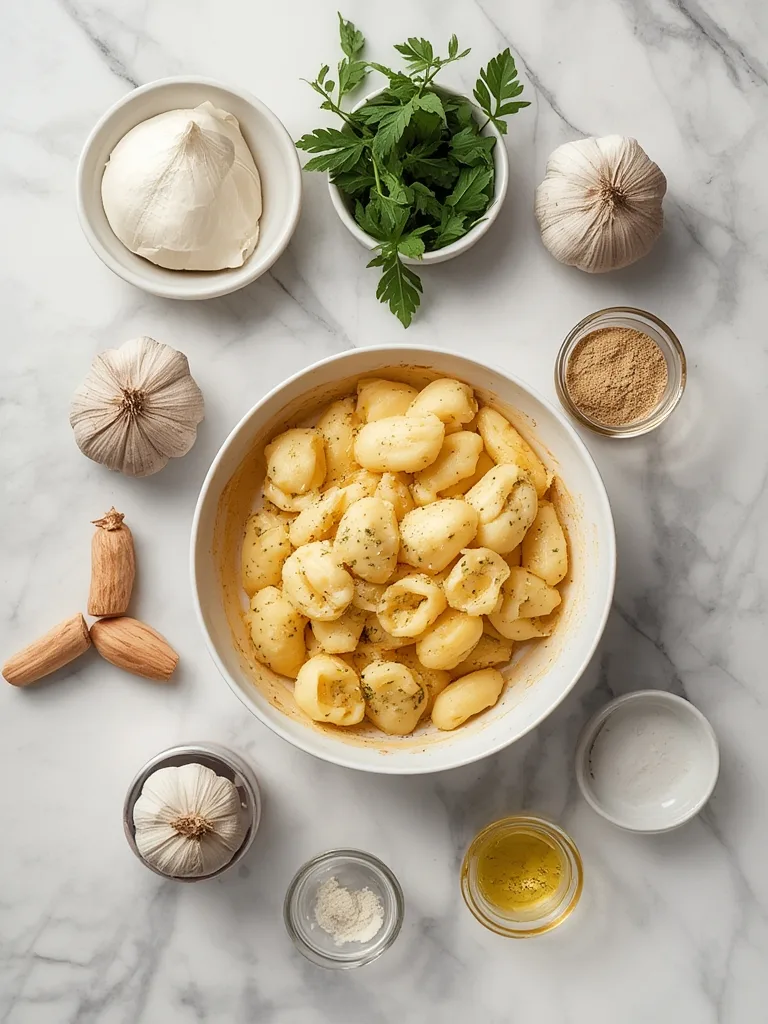
While Meal Plans themselves don’t have ingredients, effective meal planning relies on staple ingredients you’ll use across various recipes. Thinking about versatile items helps with your budget meal plan and reduces waste. Here are some essentials to consider stocking up on for easy meal planning:
- Proteins: Chicken breast, ground beef/turkey, eggs, canned beans, lentils, tofu
- Grains: Rice (brown/white), pasta, quinoa, oats, bread (whole wheat)
- Vegetables: Onions, garlic, carrots, celery, spinach, broccoli, bell peppers, seasonal produce
- Fruits: Apples, bananas, berries (fresh or frozen)
- Dairy/Alternatives: Milk, yogurt, cheese, plant-based alternatives
- Pantry Staples: Olive oil, vinegar, spices, herbs, canned tomatoes, broths
Substitutions & Variations:
The beauty of good meal planning is its flexibility! Don’t have chicken? Use tofu. Out of spinach? Kale works just as well. Knowing how to swap ingredients makes your weekly meal plan resilient and ensures you don’t get stuck if an item isn’t available or affordable. This also helps with frugal meal planning and adapting to what’s on sale.
| Ingredient | Role | Possible Substitutions |
|---|---|---|
| Chicken Breast | Lean Protein | Thighs, ground turkey, firm tofu, canned chickpeas |
| Pasta | Carb Base | Rice, quinoa, zoodles (zucchini noodles), lentil pasta |
| Bell Peppers | Vegetable, Flavor | Broccoli, zucchini, green beans |
| Heavy Cream | Richness, Texture | Coconut milk, Greek yogurt (for tang), cashew cream |
| Canned Tomatoes | Sauce Base, Acidity | Fresh tomatoes (blended), tomato paste + broth |
Equipment Needed
One of the fantastic things about successful Meal Plans is that you rarely need highly specialized equipment. Most of what you’ll use are common kitchen tools that make cooking simple recipes more efficient. Our focus here is on universal tools that support various cooking methods from the most basic to slightly more advanced.
With Special Equipment
While not strictly necessary for every meal plan, some tools can make certain types of cooking much easier and faster, especially for fast meal planning or preparing batch meals. If you’re looking to upgrade, consider these:
- Slow Cooker/Crockpot: Perfect for dump and go meals, tender meats, and hands-off cooking that’s great for a crockpot meal plan. Ideal for budget meal plan chili or soup planning in winter.
- Instant Pot/Pressure Cooker: Speeds up cooking times dramatically for grains, stews, and tough cuts of meat. A lifesaver for 10-minute meals or days you’re short on time.
- Air Fryer: Excellent for achieving crispy textures with less oil. Think healthy snacks like roasted veggies or quick air fryer recipes.
- Food Processor: Chops, grates, and purees ingredients quickly, saving prep time on large batches for weekly meal plan prep.
Without Special Equipment
Rest assured, you can implement an amazing and effective meal plan with the basics. You absolutely do not need fancy gadgets to eat well and save time!
- Good Set of Knives: Crucial for efficient chopping, dicing, and slicing. Invest in one good chef’s knife.
- Cutting Boards: Keep a couple of different sizes for raw meats and produce to avoid cross-contamination.
- Pots and Pans: A large stockpot for soups or pasta, a skillet for sautéing, and a baking sheet for sheet pan dinners are staples.
- Mixing Bowls: Various sizes for prepping ingredients.
- Measuring Cups and Spoons: Essential for accurate ingredient amounts, especially for baking or more precise recipes.
- Storage Containers: For separating out ingredients for meal prep, portioning healthy snacks, and storing leftovers. Crucial for any successful meal planning template.
Step-by-Step: How to Create Your Own Meal Plan
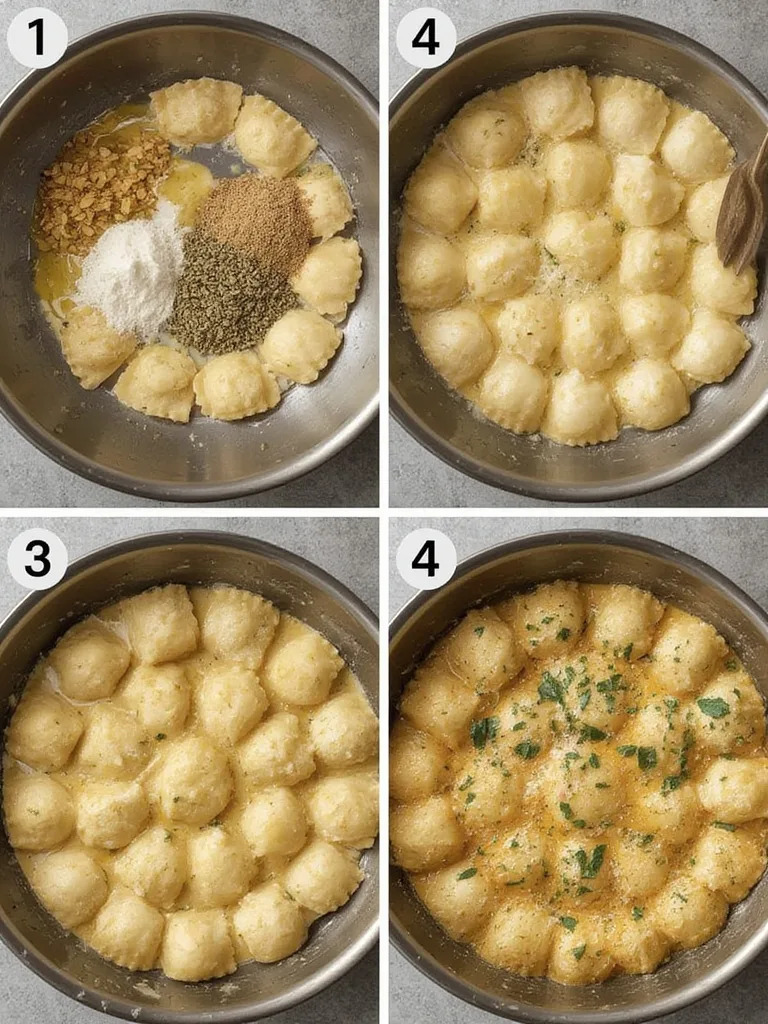
Ready to jump into the world of organized eating? Creating effective Meal Plans isn’t about following a rigid formula; it’s about finding a system that works for you and your family. Here’s a step-by-step guide to get you started on your very own weekly meal plan or monthly meal plan.
Prepare the Base: Assess Your Needs & Time
Before you even think about recipes, take a moment to understand your reality. How much time do you realistically have for cooking each day? What are your family’s preferences and dietary needs? Are you aiming for healthy meal planning for weight loss meals, or just simple recipes for busy family meals? This first step is crucial for beginner meal planning.
- Assess Your Schedule: Look at your week. Are there nights you’re super busy (e.g., kids’ sports, late meetings)? Plan for fast meal planning options like 10-minute meals, crockpot meals, or leftovers on those days.
- Check Your Pantry & Fridge: Do a quick inventory. What ingredients do you already have on hand to use up? This helps save money and reduces food waste for a frugal meal planning approach.
- Gather Inspiration: What sounds good? Flip through cookbooks, browse Pinterest (maybe even follow mine for more Meal Plans!), or ask your family for ideas. This is where you might brainstorm cozy recipes for a winter meal plan or kid friendly dinners.
Add Flavors / Swirl / Toppings: Select Your Recipes
Now for the fun part: choosing what you’re going to eat! Aim for a balance of deliciousness and practicality. Don’t try to make 7 gourmet meals; simplicity is key, especially when you’re starting out. Think about cheap dinners and easy meal planning.
- Choose Your Meals: Pick 3-5 main dinner recipes for the week. Consider making extra portions of one or two for lunches the next day. Don’t forget breakfast planning (like a cheap breakfast option) and healthy snacks.
- Incorporate Themes (Optional but Fun!): Taco Tuesday, Meatless Monday, Frugal Friday. Themes can make choosing easier, like a Mediterranean recipes night or an air fryer plan.
- Balance & Variety: Try to include different protein sources, plenty of vegetables, and diverse flavors throughout your weekly family meals.
Chill / Freeze / Cook / Bake: Create Your Plan & Shop
With your recipes chosen, it’s time to solidify your plan and get your shopping done. This step is where you transform ideas into actionable steps, truly bringing your meal planning template to life.
- Write It Down: Use a printable planner, a notebook, or a digital tool. List out your meals for each day. This becomes your official monthly meal plan or weekly roadmap.
- Build Your Grocery List: Go through each recipe and list every ingredient you need, crossing off what you already have. Organize it by store section to save time at the supermarket. Don’t forget items for healthy snacks or a weight gain plan if that’s your goal.
- Shop Smart: Stick to your list! Look for sales, buy in bulk for staples, and consider cheaper cuts of meat for budget meal plan initiatives.
Troubleshooting & Pro Tips
Even the best Meal Plans can hit a snag. Maybe a recipe wasn’t a hit, or you ran out of time. Don’t get discouraged! Meal planning is a skill that improves with practice. Here are some common troubleshooting tips and pro hacks to keep your culinary journey smooth.
Texture Problems
Sometimes dishes just don’t turn out as expected. Here’s how to fix common texture woes:
- Mushy Vegetables: You might be overcooking them. Try roasting them at a higher temperature for less time, or blanching them briefly. For sheet pan dinners, ensure veggies are in a single layer.
- Dry Chicken/Meat: Overcooking is usually the culprit. Use a meat thermometer to ensure desired doneness without going overboard. Marinating helps immensely for juiciness. For slow cooker plan meals, ensure enough liquid.
- Gummy Pasta/Rice: Often due to too much starch. Rinse rice before cooking, and don’t overcrowd pasta in the pot. Use sufficient water.
Adjusting Sweetness & Flavor
Recipes are a guide, not a strict rulebook! Adjust flavors to your liking.
- Too Bland: Add a pinch more salt, a squeeze of lemon/lime juice, a dash of your favorite vinegar, or a sprinkle of fresh herbs. A splash of umami-rich soy sauce or Worcestershire can also work wonders.
- Too Sweet: A touch of acidity (lemon juice, vinegar) or a pinch of salt can balance sweetness.
- Too Spicy: Add dairy (yogurt, sour cream, milk), cook with more starchy ingredients (rice, potatoes), or fresh avocado to calm the heat.
Serving Suggestions
Sometimes it’s not the meal itself, but how it’s served that can elevate the experience or solve an issue.
- Kids Not Eating Veggies?: Blend them into sauces, make fun shapes, or offer a healthy dip. For kid friendly dinners, presentation can be key.
- Making Meals Feel Fresh: Add a garnish (fresh herbs, toasted nuts), a squeeze of citrus, or a dollop of a flavorful sauce (pesto, chimichurri) right before serving to brighten up simple recipes.
- Leftovers Feeling Dull?: Repurpose them! Chicken from dinner can become chicken salad for lunch. Veggies can go into an omelet. This aligns perfectly with a budget meal plan.
| Issue | Solution |
|---|---|
| Food too salty | Add starch (potato, rice), dairy, or small amount of sugar/acid. |
| Meal feels repetitive | Introduce new spices, herbs, or a different cooking method. |
| Running out of time to cook | Prep ingredients in advance, utilize slow cooker/Instant Pot, or choose 10-minute meals. |
Flavor Variations & Add-Ins for Versatile Meal Plans
One of the joys of building efficient Meal Plans is the ability to adapt and get creative with flavors. Once you have your core plan, you can introduce subtle (or not-so-subtle!) changes to keep things exciting and avoid meal fatigue. This is especially useful for a monthly meal plan or when you want to make cheap weekly meals feel gourmet without breaking the bank.
Fruit Combinations
Don’t just think savory! Fruits can add a wonderful sweetness, acidity, or freshness to many dishes. They’re great for healthy snacks and can elevate simple recipes.
- Savory Dishes: Add sliced apples to pork (e.g., pork chops with apples), orange segments to a chicken salad, or dried cranberries to a roasted veggie medley. Roasted grapes with chicken or cheese are also surprisingly delicious.
- Breakfast/Dessert: Berries (fresh or frozen) in oatmeal, yogurt, or smoothies are fantastic. Sliced bananas in pancakes or baked apples with cinnamon make for a delightful cheap breakfast.
Nut & Chocolate Additions
Nuts and seeds add healthy fats, protein, and crunch, making them perfect for a high protein meals plan or just boosting satisfaction. Chocolate, in moderation, can be a delightful treat.
- Nuts/Seeds: Toasted almonds or pecans can top salads, roasted vegetables, or even pasta dishes. Pepitas (pumpkin seeds) are great in fall meal planning dishes or sprinkled over soups. Cashews can be blended into creamy sauces for a dairy-free option.
- Chocolate: A sprinkle of dark chocolate chips in overnight oats or whole-wheat pancakes can feel indulgent for breakfast. A small square of dark chocolate is a great healthy snack.
Spices & Extracts
These are your secret weapons for transforming a dish without adding significant calories or cost. Playing with spices is key to preventing your family meals from becoming boring.
- Spices for Global Flavors: Cumin, coriander, and turmeric for a Mediterranean recipes vibe. Italian seasoning for pasta. Chili powder and smoked paprika for a smoky, Tex-Mex twist. Star anise and cinnamon for cozy recipes in a winter meal plan.
- Herbs (Fresh or Dried): Parsley, cilantro, basil, dill, rosemary, thyme – they each bring unique aromas. Don’t underestimate the power of fresh herbs as a garnish.
- Extracts: Vanilla extract isn’t just for baking! A tiny dash can deepen the flavor of oatmeal or even some savory dishes with sweet elements (like a sweet potato casserole). Almond extract can complement certain fruit dishes.
Storage & Make-Ahead Tips
The true genius of effective Meal Plans lies in how well you manage your leftovers and prep. Mastering storage and make-ahead techniques is crucial for saving time during busy weeknights and ensuring your hard work lasts. This is where your monthly meal plan or weekly meal plan truly shines!
General Storage Guidelines for Meal Prep
- Refrigeration: Most cooked meals will last 3-4 days in airtight containers in the refrigerator. Ensure food cools slightly before placing it in the fridge to prevent condensation.
- Freezing: Many components or entire meals can be frozen for longer storage (2-3 months is a good general guideline). Label everything with the date and contents! Soups, stews, cooked grains, and some proteins (like shredded chicken) freeze exceptionally well. This is perfect for a monthly meal plan or for cheap dinners you can batch cook.
- Cooling Quickly: Divide large batches of food into smaller containers to help them cool faster, which prevents bacterial growth.
Specific Make-Ahead Strategies
- Chop Veggies: On your meal prep day, chop all your onions, garlic, carrots, celery, and bell peppers for the week. Store them in airtight containers. This instantly cuts down cooking time for many simple recipes and stir-fries.
- Cook Grains in Bulk: Cook a large batch of rice or quinoa. It can be used for side dishes, added to salads, or as a base for bowls throughout the week.
- Wash & Prep Greens: Wash and spin-dry your salad greens. They’ll be ready for quick healthy snacks or side salads.
- Batch Cook Protein: Grill or bake a large amount of chicken breast, ground turkey, or lentils. This prepped protein can be used in tacos, salads, pasta dishes, or sandwiches for easy meal planning.
- Prepare Dressings/Sauces: Whip up a batch of vinaigrette or a favorite sauce. Store it in a jar in the fridge.
Best Ways to Serve from Stored Meals
- Reheating: Reheat meals thoroughly. A microwave is fast, but stovetop or oven reheating can often yield better texture (especially for sheet pan dinners or roasted items). Add a splash of broth or water when reheating drier dishes to maintain moisture.
- Repurposing: Don’t just eat the same meal repeatedly! Turn leftover roasted chicken into chicken salad sandwiches, or use leftover rice and veggies for a quick fried rice. This creativity keeps your budget meal plan interesting.
- Fresh Additions: Even stored meals can feel fresh with new toppings – a squeeze of lime, fresh herbs, a spoonful of salsa, or a dollop of yogurt.
More Ideas with Meal Plans
Once you get the hang of basic Meal Plans, a whole world of culinary possibilities opens up! It’s not just about what you eat, but how you can use the planning mindset to explore new cooking techniques and dietary styles. Here are some quick ideas to inspire your next week’s worth of delicious endeavors:
- Explore Theme Nights: Dedicate specific evenings to cuisine types. Think a “Mediterranean Monday” with healthy Mediterranean meals like Greek salads or chicken souvlaki. Or “Air Fryer Friday” for crispy air fryer recipes.
- Seasonal Planning: Embrace the seasons! A fall meal planning approach might focus on cozy fall recipes like pumpkin chili or apple crisps, while summer brings fresh salads and grilled dishes.
- Dietary Focus Weeks: Experiment with a “high protein meals” week for fitness goals, or a “clean eating” week with an emphasis on whole, unprocessed foods.
- Cost-Saving Challenges: Try a “$5 dinners” challenge or focus purely on cheap weekly meals using inexpensive pantry staples. Frugal meal planning can be surprisingly creative!
- Prep for Special Circumstances: Create a “back-to-school meals” plan with quick, kid-friendly dinners, or a specific “weight gain plan” with healthy high-calorie options.

Conclusion
Phew! We’ve covered a lot, haven’t we? From banishing the “what’s for dinner?” dread to unlocking a world of delicious, budget-friendly, and healthy options, implementing thoughtful Meal Plans truly can transform your kitchen and your life. It’s about empowering yourself with foresight, saving precious time, reducing food waste, and nourishing your body with intention.
Remember, it’s not about perfection, but about progress. Start small, be kind to yourself, and celebrate every successful meal plan you create. You’ll soon find that this simple habit provides incredible returns, giving you more time, more money, and more joy around the dinner table. So, go ahead – pick a recipe, make a plan, and enjoy the delicious journey!
Follow me on Pinterest for more Meal Plans
FAQ about Meal Plans
What are the biggest benefits of starting a weekly meal plan?
The biggest benefits of starting a weekly meal plan include significant time savings during busy weeknights, reduced stress from not knowing what to cook, less food waste which leads to saving money on groceries, and the ability to make healthier dietary choices consistently. It truly transforms your kitchen efficiency!
How can I make meal planning cheap for my family?
To create a cheap meal plan for your family, focus on using seasonal produce, buying pantry staples in bulk, incorporating affordable proteins like beans, lentils, eggs, and cheaper cuts of meat, and planning meals around grocery store sales. Don’t forget to use up leftovers to prevent waste, making your budget meal plan even more effective.
Are Meal Plans only for dinner, or should I plan other meals too?
While Meal Plans often start with dinner, expanding them to include breakfast planning and healthy snacks can significantly boost your overall health and organization. Planning all your meals ensures a balanced diet throughout the day and helps prevent impulsive, less healthy choices.
What if my family is picky? How can I create family meals that everyone will eat?
When creating a family meal plan with picky eaters, involve them in the planning process. Offer choices between a few healthy options, incorporate classic kid friendly dinners, and serve meals “deconstructed” so everyone can add what they like. Gradual introduction of new foods and familiar flavors can also help.
How do I stick to my monthly meal plan, especially when life gets busy?
To stick to your monthly meal plan, be flexible. Have a few easy meal planning backup recipes (like 10-minute meals or simple recipes) for chaotic days. Utilize batch cooking on weekends, prep ingredients ahead of time, and don’t be afraid to swap days around if needed. The goal is progress, not perfection!
Can Meal Plans help with specific health goals like weight loss meals or a clean eating plan?
Absolutely! Meal Plans are incredibly effective for achieving specific health goals. When you plan healthy meal planning ahead, you can intentionally incorporate nutrient-dense foods, control portion sizes, and avoid processed items, making it much easier to stick to weight loss meals, a clean eating plan, or any other dietary objective.