
Table of Contents
Transform Your Week with Smart Meal Plans!
Hey there, fellow food lovers and busy bees! Are you tired of that dreaded 5 PM scramble, staring blankly into the fridge, wondering “What’s for dinner tonight?” Or perhaps the weekly grocery bill is making your eyes water? Trust me, you’re not alone! Life gets hectic, and making homemade, delicious, and healthy meals often feels like an Olympic sport we’re just not trained for.
But what if I told you there’s a secret weapon that can banish dinner dilemmas, save you money, and even help you eat healthier? Enter the wonderful world of Meal Plans! Yep, those two little words hold the key to a calmer, more organized kitchen and a happier you. It’s not about rigid rules or boring repetition; it’s about smart planning that makes your life easier.
Think about it: no more last-minute takeout orders, no more wasted groceries, and a whole lot less stress. Whether you’re a seasoned chef or a beginner in the kitchen, embracing a thoughtful weekly meal plan can revolutionize your approach to food. Ready to dive in and discover how?
What Are Meal Plans and Why Are They a Game-Changer?
At its core, a meal plan is simply a pre-determined schedule of what you’re going to eat for a set period, usually a week. But it’s so much more than just a list of recipes. It’s a strategic approach to feeding yourself and your family that offers a multitude of benefits, making it an absolute game-changer for anyone looking to simplify their life.
People love meal plans because they bring order to a chaotic part of daily life. Imagine having your groceries bought, your dinners prepped, and knowing exactly what you’re making every night. This foresight saves time, reduces food waste, and can significantly cut down on your grocery budget. Plus, it naturally steers you towards healthier choices, as you’re less likely to grab unhealthy convenience foods when you have a delicious plan ready to go.
Nutritional Benefits & Why Meal Plans Are a Better Choice
One of the biggest unsung heroes of successful meal plans is their incredible impact on your nutrition. When you plan your meals, you’re in control. You get to decide what goes into your body, making it infinitely easier to create healthy meal plans tailored to your specific needs and goals.
Planning allows you to thoughtfully incorporate a variety of vegetables, lean proteins, and whole grains, moving away from reactive, less-nutritious choices. If you’re aiming for weight loss meals, a clean eating plan, or specific dietary goals like high protein meals, planning is your best friend. It helps you track your intake, ensure balanced macros, and avoid accidental junk food binges. Plus, by preparing more meals at home, you reduce your reliance on restaurant food, which often contains hidden fats, sugars, and excessive sodium. Good nutrition is the foundation of well-being, and meal planning is a powerful tool to build that foundation.
| Nutrition Aspect | Benefit of Meal Planning |
|---|---|
| Calories | Easier to manage and monitor intake. |
| Carbohydrates | Better control over types (simple vs. complex) and portions. |
| Protein | Ensures adequate protein for muscle repair and satiety (high protein meals). |
| Fats | Allows for inclusion of healthy fats and reduction of unhealthy ones. |
| Fiber | Easier to incorporate diverse fruits, vegetables, and whole grains. |
| Vitamins & Minerals | Encourages a wider variety of nutrient-dense foods. |
Ingredients & Substitutions for Your Ideal Meal Plans
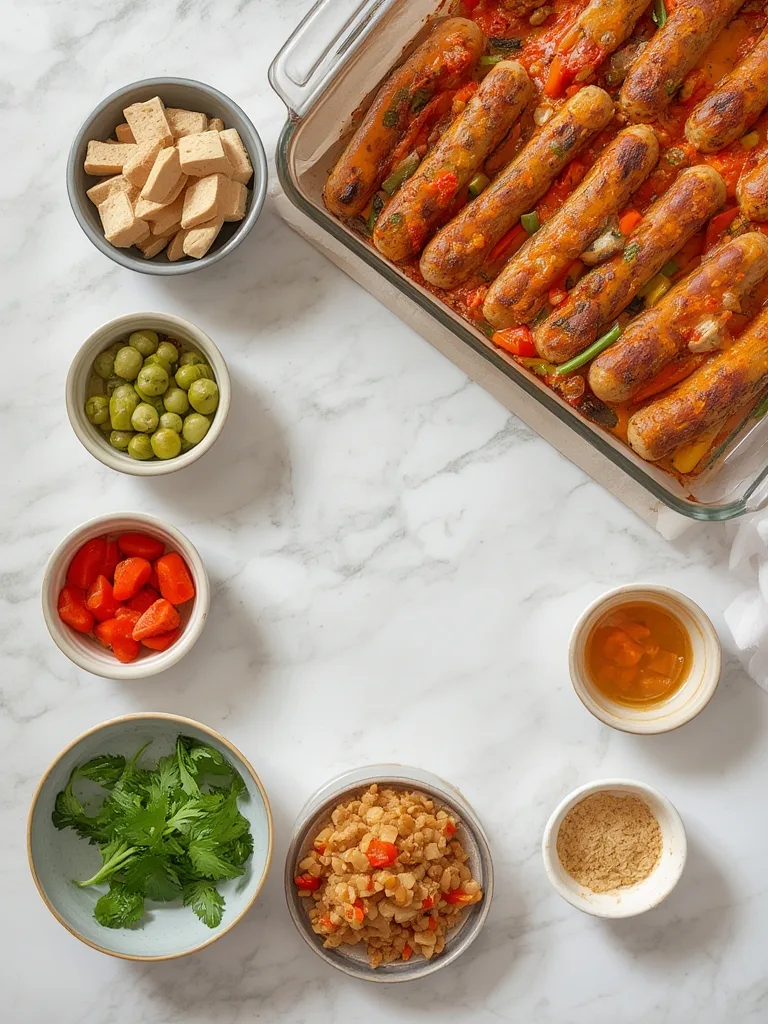
Main Ingredients: The Building Blocks of Your Weekly Meal Plan
While meal plans are flexible, having a rotation of staple ingredients on hand makes the whole process smoother. These are the workhorses of your kitchen, ready to be transformed into simple recipes.
- Proteins: Chicken breasts, ground turkey, lean ground beef, eggs, tofu, lentils, canned beans.
- Vegetables: Broccoli, bell peppers, spinach, sweet potatoes, onions, carrots, frozen mixed veggies.
- Grains & Starches: Brown rice, quinoa, whole wheat pasta, oats, whole grain bread.
- Healthy Fats: Olive oil, avocado, nuts, seeds.
- Dairy/Alternatives: Greek yogurt, milk, cheese, plant-based milks.
- Pantry Staples: Canned tomatoes, broths, various spices, vinegars.
Substitutions & Variations: Making Your Meal Plan Work for YOU
One of the beauties of a good meal plan is its adaptability. Don’t like broccoli? Swap it! Out of chicken? Use beans! Here’s how to mix and match to keep your budget meal plan exciting and accommodating.
| Ingredient Type | Role | Possible Substitutions |
|---|---|---|
| Leafy Greens (e.g., Spinach) | Nutrient-dense base/addition | Kale, Swiss chard, arugula, mixed greens |
| Protein (e.g., Chicken Breast) | Main protein source | Tofu, chickpeas, shrimp, canned tuna, lean pork, lentils |
| Starchy Veg/Carb (e.g., Sweet Potato) | Complex carbohydrate, fiber | Potatoes, butternut squash, quinoa, brown rice, whole wheat pasta |
| Bell Peppers | Vitamins, flavor, crunch | Zucchini, carrots, green beans, mushrooms |
| Dairy (e.g., Greek Yogurt) | Creaminess, protein, probiotics | Coconut yogurt, plant-based sour cream, silken tofu (blended) |
| Healthy Fats (e.g., Olive Oil) | Cooking medium, flavor, essential fatty acids | Avocado oil, coconut oil, grapeseed oil |
Essential Equipment for Streamlined Meal Plans
You don’t need a professional kitchen to master easy meal planning. In fact, many fantastic healthy meal plan recipes require very little specialized gear. The goal is efficiency and making those family meals a breeze.
With Special Equipment
- Slow Cooker/Crockpot: A lifesaver for dump and go meals, especially a crockpot meal plan. Set it and forget it!
- Instant Pot/Pressure Cooker: Speeds up cooking times for grains, beans, and tough cuts of meat.
- Air Fryer: Perfect for quick, crispy vegetables and proteins, making an air fryer plan incredibly popular.
- Food Processor: Great for chopping vegetables in bulk for prep, making homemade sauces, or blending soups.
- Sheet Pans: Essential for one-pan meals like sheet pan dinners – minimizes cleanup and maximizes flavor.
Without Special Equipment
Don’t worry if you don’t have all the fancy gadgets! Many brilliant meal plan strategies can be executed with basic kitchen tools. Focus on simple recipes that rely on your stovetop and oven.
- Good Knives & Cutting Boards: For efficient chopping and prepping.
- Large Pots & Pans: A sturdy skillet, a large pot for soups or pasta, and a baking sheet are often all you need.
- Storage Containers: Absolutely crucial for meal prepping! Invest in good quality, airtight containers for your weekly meal plan leftovers and prepped ingredients.
- Measuring Cups & Spoons: For accurate recipe execution.
- Basic Mixing Bowls & Utensils: Spatulas, ladles, whisks.
Step-by-Step: How to Master Your Meal Plans
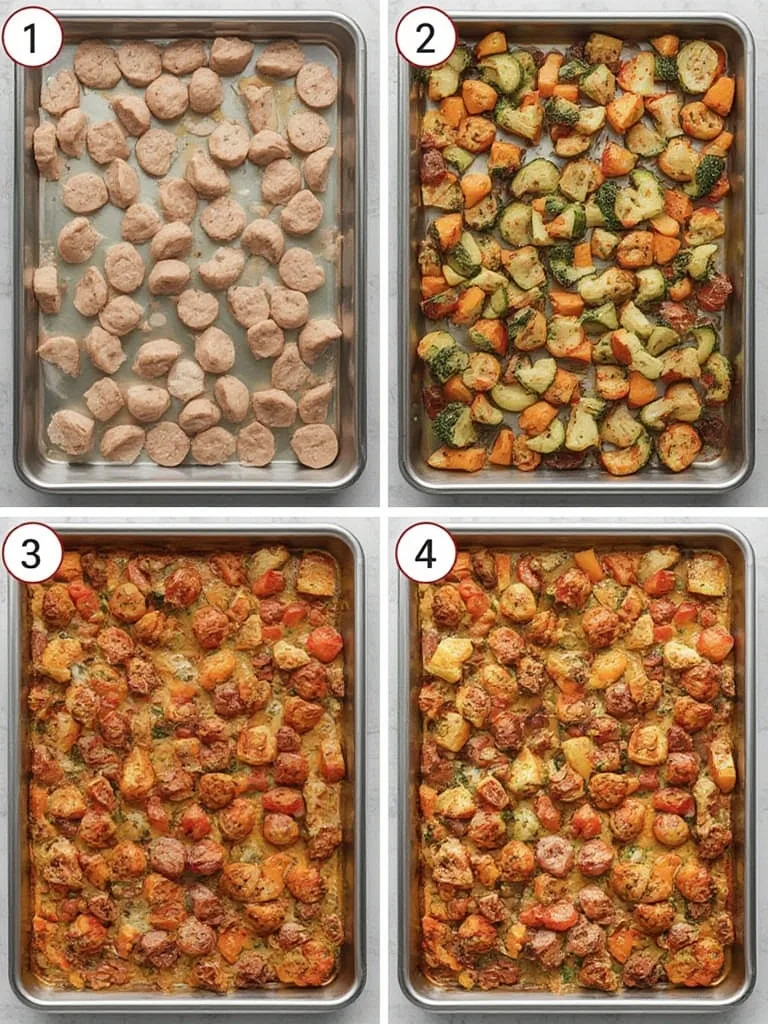
Ready to jump into action? Creating a successful weekly meal plan might seem daunting at first, but breaking it down into simple steps makes it incredibly manageable. This approach works for everything from a budget meal plan to healthy planning for weight loss meals.
Step 1: Prepare the Base – Brainstorm & Plan
This is where your meal plan truly begins. Don’t just pick recipes randomly. Think about your week ahead. When do you have time to cook? Are there busy evenings where 10-minute meals or one pan meals would be ideal? Consider everyone’s preferences for family meals too!
- Assess Your Week: Look at your schedule. Identify busy nights, days you’ll eat out, or nights you want something quick (like 10-minute meals).
- Check Current Inventory: Look in your fridge, freezer, and pantry. What do you need to use up? This helps save money and prevents waste, especially for cheap weekly meals.
- Gather Inspiration: Browse cookbooks, Pinterest (follow me there for more ideas!), or favorite food blogs for simple recipes. Keep related keywords in mind, like ‘cozy recipes’ for a winter meal plan, or ‘kid friendly dinners’ for a family meal plan.
- Choose Your Recipes: Select 3-5 main dish recipes for the week. Don’t plan every single meal at first – focus on dinners.
- Create Your List: Jot down your chosen meals. Assign them to specific days if you like, or keep it flexible.
Step 2: Add Flavors – The Grocery List & Prep
Once you have your menu, it’s time to make it a reality. This step involves stocking up and doing some smart prep work to make weeknights a breeze.
- Shop Smart: Based on your chosen recipes and pantry inventory, create a detailed grocery list. Stick to it! This is key for a frugal meal planning approach.
- Designate a Prep Time: Pick one day (often Sunday) to do some bulk prep. This could be chopping vegetables, cooking grains (like quinoa or brown rice), pre-cooking proteins, or even making a double batch of a soup planning recipe.
- Portion & Store: Once ingredients are prepped or meals are cooked, portion them into airtight containers. This is essential for grab-and-go lunches and quick dinners.
Step 3: Cook & Enjoy Your Meal Plans
This is the fun part – eating! With good planning and prep, cooking during the week becomes much less stressful.
- Follow Your Plan: Reheat prepped meals or cook your chosen recipe for the day. Remember, the goal is less stress, so lean on shortcuts on busy nights.
- Adapt as Needed: Life happens! If plans change, feel free to swap meals around or turn leftovers into something new. Your meal plan serves you, not the other way around.
- Refine: After your first week, note what worked well, what didn’t, and what recipes your family loved. This feedback loop is essential for improving your monthly meal plan or ongoing weekly meal plan.
Troubleshooting & Pro Tips for Perfect Meal Plans
Even with the best intentions, meal planning can have its hiccups. Here are some common issues and how to tackle them, along with some insider tips for smoother sailing.
Recipe Fatigue & Lack of Variety
If you find yourself getting bored with your meal plans, it’s a sign to inject some newness.
| Issue | Solution |
|---|---|
| Eating the same things | Explore new cuisines (e.g., Mediterranean recipes), vary protein sources (chicken, fish, beans), try new veggies, or rotate through different cooking methods (air fryer plan, crockpot meal plan). |
Adjusting Flavors & Dietary Needs
Families have diverse palates and needs. Don’t be afraid to tweak recipes.
| Issue | Solution |
|---|---|
| Picky eaters/Kids don’t like it | Involve kids in planning (kid friendly dinners!), offer components separately (deconstructed meals), or use milder spices. Make a “build-your-own” bar for tacos or bowls. |
| Adjusting for specific diets | Use ingredient substitutions (as discussed earlier) or select recipes that are naturally compliant (e.g., gluten-free, dairy-free). Look for clean eating plan recipes. |
Serving Suggestions & Making Meals Complete
A simple main dish can easily become a full meal with the right accompaniments.
- For Proteins: Pair with a side of roasted vegetables (sheet pan dinners often do this automatically!) or a grain like quinoa or brown rice.
- For Soups/Stews (soup planning): Serve with crusty bread, a simple side salad, or a dollop of Greek yogurt.
- For Salads: Add a hearty protein and healthy fats (avocado, nuts) to make it a satisfying meal.
- Don’t Forget Snacks: Incorporate healthy snacks into your plan – prep snacks like sliced veggies, fruit, or hard-boiled eggs.
Flavor Variations & Add-Ins for Exciting Meal Plans
One of the best ways to keep your weekly meal plan engaging and prevent boredom is to play with flavors and add-ins. A base recipe can be transformed with just a few simple tweaks, making it feel like a brand new meal!
Fresh Herb & Spice Combinations
- Mediterranean Twist: Add oregano, thyme, rosemary, and lemon zest to roasted chicken or vegetables for healthy Mediterranean meals.
- Asian Inspired: Incorporate ginger, garlic, soy sauce (or tamari), sesame oil, and a dash of Sriracha for stir-fries or marinades.
- Tex-Mex Kick: Cumin, chili powder, paprika, and a squeeze of lime can liven up ground meat, beans, or sheet pan dinners.
- Indian Flair: Turmeric, curry powder, coriander, and garam masala are fantastic for lentil dishes or chicken curries.
Nut & Seed Additions for Texture and Nutrition
Sprinkling nuts and seeds can add a wonderful crunch and boost healthy fats and protein, perfect for high protein meals.
- Toasted Almonds: Great over green beans, salads, or mixed into rice pilafs.
- Pumpkin Seeds (Pepitas): Delicious on top of roasted squash, in grain bowls, or as a snack.
- Sesame Seeds: Perfect finish for Asian-inspired dishes or sprinkled over roasted broccoli.
- Walnuts/Pecans: Wonderful in salads, fall meal planning recipes with apples or sweet potatoes, or as part of a healthy breakfast.
Cheese, Yogurt & Creamy Additions
These can add richness, tang, and a lovely finish to many simple recipes.
- Feta or Goat Cheese: Crumbled over salads, baked potatoes, or pasta dishes for a salty, tangy taste.
- Greek Yogurt: A healthy dollop on soups, chili, or spicy dishes – works wonders for weight loss meals too.
- Parmesan Cheese: Adds umami to nearly anything, from roasted veggies to pasta.
- Avocado: Creamy, healthy fat addition to tacos, bowls, or even blended into smoothies.
Storage & Make-Ahead Tips for Efficient Meal Plans
Mastering storage and knowing what can be prepped ahead is the cornerstone of successful, stress-free meal plans. This section is all about turning your weekly meal plan into a grab-and-go reality.
Proper Storage for Safety and Freshness
- Airtight Containers: Invest in good quality, BPA-free containers. Glass containers are excellent for reheating.
- Refrigeration: Most prepped ingredients and cooked meals will last 3-4 days in the refrigerator. Labeling with the date cooked is a smart move.
- Freezing: Many components and full meals freeze beautifully, extending their life to 1-3 months. Think soups (soup planning!), casseroles, cooked grains, and even some proteins. Ensure food is completely cooled before freezing to prevent ice crystals.
Smart Make-Ahead Strategies
This is where “easy meal planning” truly shines! A little bit of prep on one day can save hours during the busy weeknights.
- Chop Veggies: Wash, chop, and store vegetables like bell peppers, onions, carrots, and celery in the fridge. They’ll be ready for stir-fries, sheet pan dinners, or soups.
- Cook Grains in Bulk: Make a big batch of brown rice, quinoa, or farro. These are perfect bases for bowls, sides, or additions to salads throughout the week.
- Pre-Cook Proteins: Cook a batch of chicken breasts, ground turkey, or hard-boiled eggs. These can be used in salads, wraps, or as quick additions to a meal.
- Wash Greens: Wash and spin-dry your salad greens. Store them with a paper towel in an airtight container to keep them fresh.
- Make Dressings/Sauces: Prepare homemade salad dressings or sauces in advance. Store them in separate containers.
- Batch Cook Meals: For winter meal plan or frugal meal planning, double a recipe for chili, soup, or a casserole. Eat one now, freeze one for later. Hello, future you!
Reheating Best Practices
- Microwave: Quick and convenient, but can sometimes dry out food. Add a splash of broth or water if needed.
- Stovetop: Great for soups, stews, and saucy dishes. Stir occasionally.
- Oven: Best for keeping texture in roasted vegetables, sheet pan dinners, or casseroles. Cover with foil to prevent drying, then uncover for the last few minutes for crispness.
- Air Fryer: Excellent for reheating things you want to be crispy, like roasted potatoes or chicken.
More Ideas with Your Weekly Meal Plan
Once you get the hang of basic meal plans, there’s a whole world of culinary adventure waiting! Here are a few ways to expand your horizons and make the most of your planning skills.
- Winter Warmers & Soup Planning: Dedicate a week to cozy recipes. Think hearty stews, lentil soups, or creamy tomato bisque, all perfect for freezing.
- Budget-Friendly Feasts: Explore cheap dinners and $5 dinners, focusing on ingredients like beans, lentils, pasta, and seasonal produce to create a truly frugal meal planning approach.
- Family Meal Plan Extravaganza: Involve the kids in choosing kid friendly dinners. Make “build-your-own” taco nights or pasta bars where everyone customizes their plate.
- Health-Focused Transformations: Dive deeper into clean eating, Mediterranean recipes, or a weight gain plan if you’re looking to bulk up healthily. Plan balanced healthy snacks too!
- Monthly Meal Planning: Graduate to a monthly meal plan! This requires a printable planner and a bit more foresight but offers even greater savings and organization.
- Fast & Fresh: Embrace 10-minute meals or fast meal planning for those super hectic days, proving healthy food doesn’t always take long.
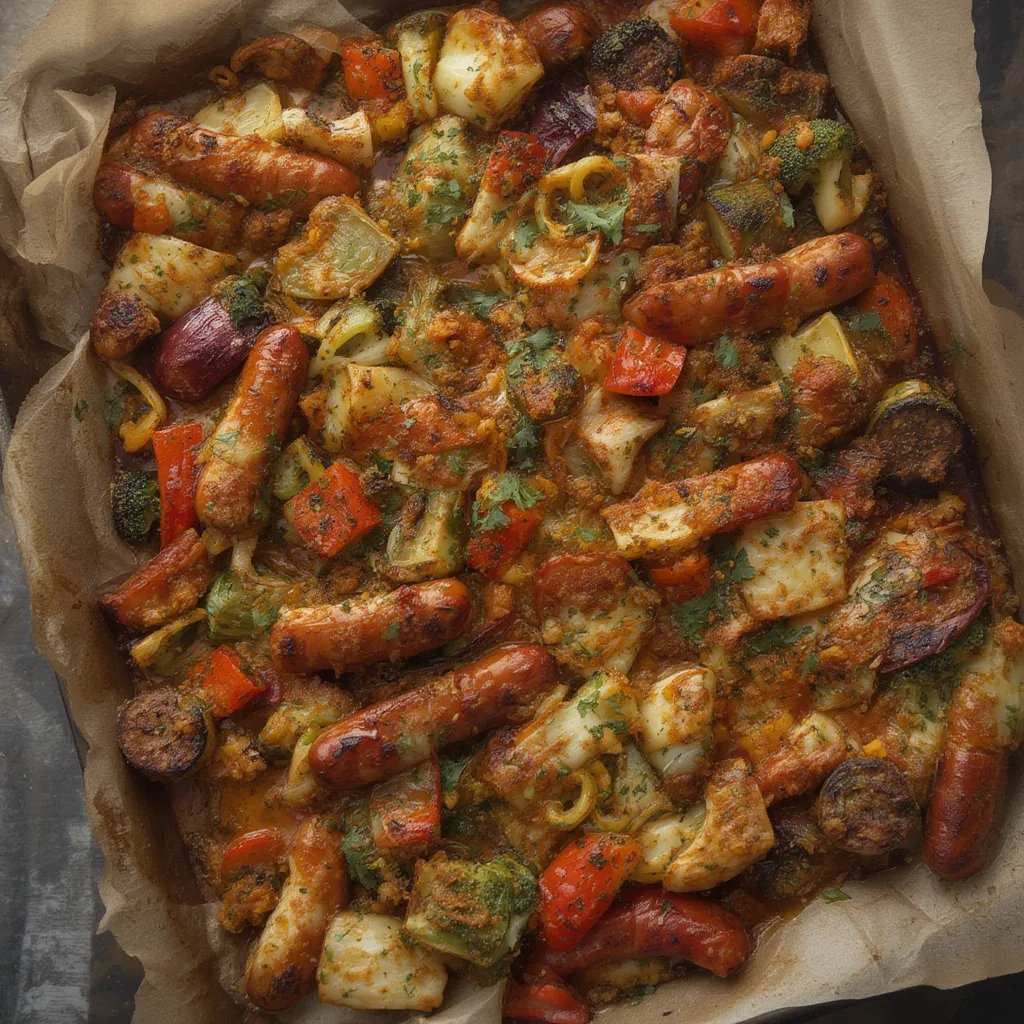
Conclusion: Embrace the Power of Meal Plans!
So, there you have it – your comprehensive guide to conquering dinner chaos with the magic of Meal Plans! We’ve journeyed from understanding what they are to diving deep into nutritional benefits, ingredient swaps, essential equipment, step-by-step planning, troubleshooting, and even exciting variations.
The bottom line is this: a little bit of planning goes a long, long way. Whether you’re aiming for a budget meal plan, easy family meals, a healthy eating plan, or just want to reclaim your evenings, meal plans are your ultimate secret weapon. They save you time, money, and stress, while simultaneously improving your health and expanding your culinary repertoire. So, why not give it a try this week? Pick a few simple recipes, jot down a plan, and experience the incredible difference for yourself. Your future self (and your wallet!) will thank you!
Follow me on Pinterest for more Meal Plans
FAQ About Meal Plans
What are the biggest benefits of starting a weekly meal plan?
The biggest benefits include saving money on groceries (frugal meal planning!), reducing food waste, saving time during busy weeknights, eating healthier by making intentional choices, and significantly reducing decision fatigue and dinner-time stress. It brings organization to your kitchen and your life.
How do I start creating a budget meal plan?
To create a budget meal plan, begin by checking your pantry for ingredients you already have. Then, plan meals around cheaper staples like beans, lentils, seasonal vegetables, and less expensive cuts of meat. Look for cheap dinners and cheap weekly meals recipes, and always shop with a detailed grocery list to avoid impulse buys.
What are some tips for making meal plans kid friendly?
Involve your kids in the process! Let them pick one meal for the week (from approved options), offer “deconstructed” meals (like taco bars) where they can assemble their own plates, and don’t be afraid to hide veggies where possible. Focus on simple recipes and familiar flavors for family meals.
Can meal plans help with weight loss meals or a clean eating plan?
Absolutely! Meal plans are incredibly effective for weight loss meals and a clean eating plan because they allow you to control portions, ingredients, and nutritional balance. You can consciously include lean proteins, abundant vegetables, and whole grains, while avoiding processed foods and excessive sugars. It’s the foundation of healthy planning.
How can I make my meal plans more exciting and avoid boredom?
To keep meal plans exciting, vary your protein sources (chicken, fish, tofu, beans), experiment with different cuisines (like Mediterranean recipes), and try new cooking methods (air fryer plan, sheet pan dinners). Don’t stick to the exact same recipes every week; cycle through a larger repertoire of simple recipes you enjoy.
What’s a good approach for beginner meal planning?
For beginner meal planning, start small. Plan only 3-4 dinners for your first week. Focus on easy meal planning by choosing simple recipes you already know or that require minimal ingredients. Don’t try to prep everything at once; perhaps just chop vegetables or cook one batch of grains. Build up gradually!
Are there tools to help with my monthly meal plan or printable planner needs?
Yes! Many free online templates, apps, and websites can help with a monthly meal plan or provide a printable planner. Pinterest is also a goldmine for meal planning templates and inspiration. Look for one that fits your style, whether it’s a simple list or a more detailed meal planning template with grocery lists.
How do crockpot meal plans fit into overall meal plans?
Crockpot meal plans are fantastic for busy days and fall under the “dump and go” category. Integrate them on evenings when you know you’ll be short on time. Many recipes involve minimal prep in the morning, and dinner is ready when you walk through the door. They’re perfect for cozy recipes and winter meal plan ideas.
You might also like these :
 Simple Garlic Butter Shrimp Pasta: Easy Recipe Ideas for Tasty Meals
 5-Ingredient Veggie Stir Fry: Quick & Delicious Recipe Ideas for Busy Weeknights
 30-Day Meal Plan: Rotisserie Chicken Meal-Prep Bowls for Easy Healthy Dinners
 Monthly Meal Plan: Ground Turkey Stir-Fry Rotation – Your Solution to Delicious, Easy Dinners!